
OpenAI CEO Sam Altman said the benefits of artificial intelligence are enough for humanity to accept some risks, arguing the technology should remain widely open to the public rather than be tightly monopolized or centrally controlled by a few labs. “We think the world should accept certain negative events for the benefits of this technology and the autonomy people have,” Altman said in an interview.
OpenAI has held talks with major investors for a new funding round at a $1.2 trillion valuation, up sharply from the $852 billion financing completed in March, with the approach initiated by investors rather than OpenAI and the decision and timing hinging largely on its IPO plans, as CEO Sam Altman said last Saturday that a U.S. listing was “not timely” and pushed the IPO window beyond 2027 after the company confidentially filed in June but later slowed the process.
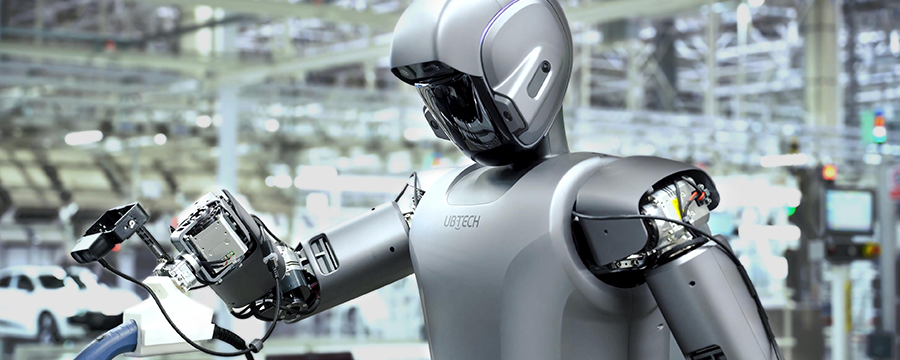
OpenAI CEO Sam Altman confirmed during a recent podcast appearance that the company will develop its own humanoid robot hardware alongside specialized robots for data center operations. The firm has upgraded its former world-simulation project into OpenAI Robotics, targeting short-term robotic solutions to support infrastructure workers while pursuing the long-term vision of ubiquitous personal robots for everyday users. OpenAI also plans to launch its first screen-free portable AI device as early as 2027. Featuring a donut-shaped form factor, the upcoming gadget is expected to retail for more than $300.
OpenAI officially launched GPT‑6 Astra in the early hours of Wednesday, a name derived from the Latin word for “star”, following its prior teaser line “The stars are almost aligned”. At the close of the launch event, OpenAI president Greg Brockman stated “Welcome to the AGI era”, an unusually bold claim rarely voiced by an AI developer for its product. The new model delivers sweeping gains across leading evaluation benchmarks.
 AGIBOT
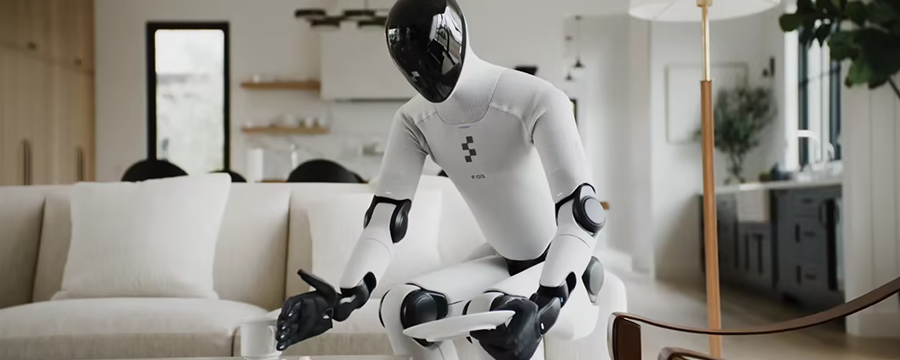 Figure AI
 UBTECH