6 Articles
Tags :physical AI

Chinese embodied AI startup Astribot has raised 1 billion yuan in a new funding round, valuing the rope-driven robot maker at 15 billion yuan. Toposcend Capital, a unit of Shenzhen Investment Holdings, led the round. Hongtai Fund, Ninghai Xingtaihe Fund managed by Guanghua Sunshine, Soliton Capital and existing shareholder Xianmu followed on. It was Astribot’s fourth round in six months. Its valuation rose from 10 billion yuan to 15 billion yuan in three months, a rare pace even in China’s hot humanoid robot sector. Astribot said proceeds will fund model upgrades, hiring, commercial deployment, capacity and its three-in-one full-stack architecture spanning an AI model, embodied operating system and rope-driven body. Founder and CEO Lai Jie said investors were important “fellow...
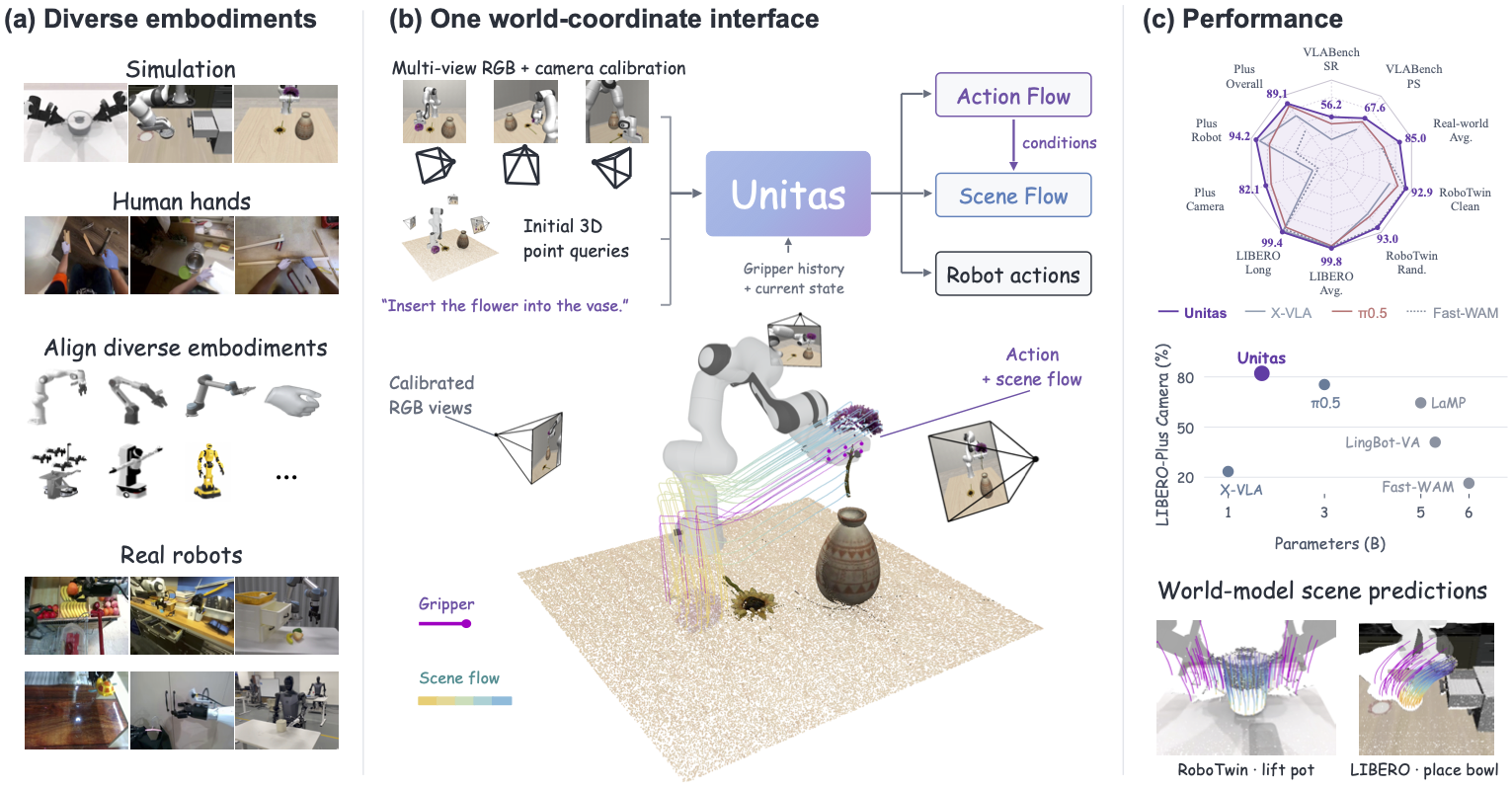
DexForce, an Chinese embodied-AI developer, has unveiled UNITAS, a 3D-native world action model for robot manipulation, saying it is designed to give robots a unified representation of the physical world. The company described UNITAS as the first robot-task-native 3D world model. UNITAS is built on a central premise: just as large language models unify diverse knowledge through text, embodied AI needs a native space for physical experience. DexForce argues that space should be the 3D physical world itself, rather than 2D images or latent features from which 3D relationships must be inferred. The model jointly represents observation, action and scene change in a single 3D coordinate system. Observation corresponds to the 3D positions of objects; action flow corresponds to the...
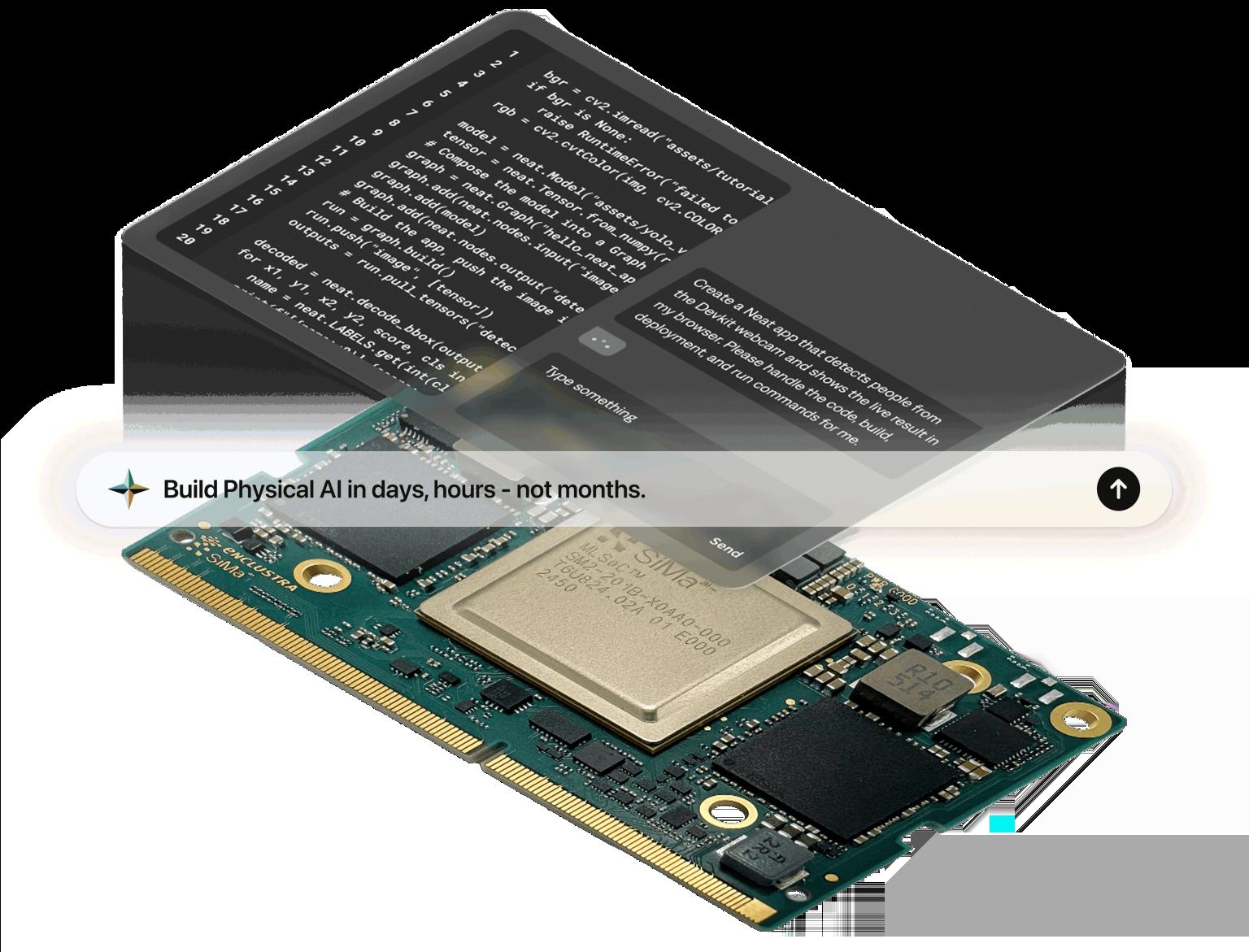
SiMa.ai, a leader in Physical AI, announced $150 million in Series C financing, bringing the total capital raised to $500 million and valuing the company at $1.45 billion. The round was co-led by Fidelity Management & Research Company and Amplify, with participation from Alter Venture Partners, Dell Technologies Capital, Maverick Capital, +ND Capital, Point72 and StepStone Group. AllianceBernstein, Baron Capital, J.P. Morgan, and the State of Michigan also joined the round as new investors. The global market for Physical AI devices, including robotics, automotive, and drones, is set to explode with cumulative shipments projected to hit 145 million units by 2035, according to Counterpoint Research. This surge marks AI’s transition from software applications into tangible, real-world consumer and industrial hardware,...
Physical AI infrastructure firm Hesai Technology announced a new strategic partnership with JD Group to conduct in-depth exploration across full physical AI scenarios, leveraging high-precision 3D spatial sensing capabilities including 6D full-color lidar to support continued deployment of JD’s autonomous logistics vehicles and robots, and jointly extend the application boundaries of physical AI in the real world.
Lightwheel and Peritas AI announced they have formed a strategic partnership to bring robots into perioperative healthcare workflows by combining infrastructure and orchestration technologies to enable deployment in clinical environments. According to the companies, the collaboration will integrate Peritas AI’s orchestration platform with Lightwheel’s physical AI infrastructure, allowing robotic systems to be trained, validated and operated within real-world hospital workflows. The companies said the multi-phase initiative, valued at about $56 million, could support deployment of up to 200 humanoid robots across 2026 and 2027. The companies noted healthcare operations, particularly in perioperative settings, remain highly fragmented, spanning sterile processing, operating rooms, logistics and equipment coordination across disconnected systems. The partnership is designed to address those gaps by enabling continuous, real-time...
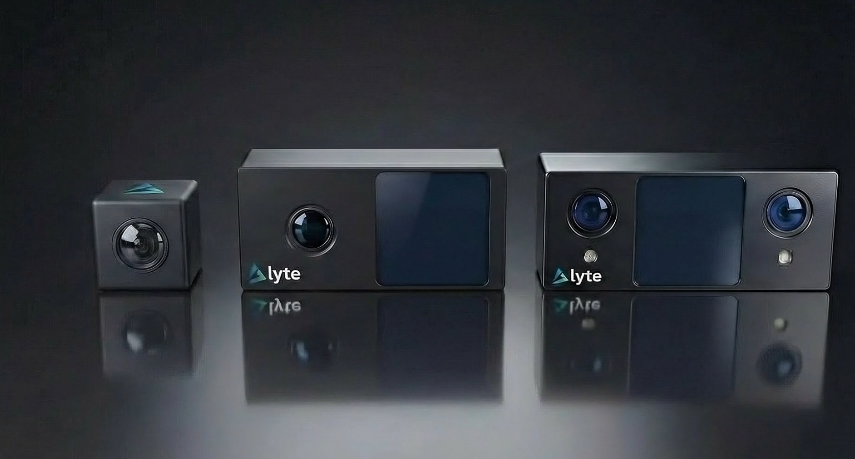
Lyte, a U.S.-based physical AI perception infrastructure startup, has raised $165 million in a Series C funding round, valuing the company at $1.6 billion post-money, the company said. The round was led by Maverick Silicon, with participation from existing investors including Fidelity Management & Research, Atreides Management, Key1 Capital, and Ora Global. Proceeds will be used to boost sensor chip production, scale its LyteVision integrated perception platform, and expand its workforce. Founded in 2021, Lyte emerged from stealth in January this year and had previously raised approximately $107 million. The company develops chips, multimodal sensors, and spatial perception software to help robots navigate environments more safely. Its flagship unified spatial intelligence platform, LyteGalaxy, integrates sensors, compute, software, and algorithms into...


 AGIBOT
 Figure AI
 UBTECH