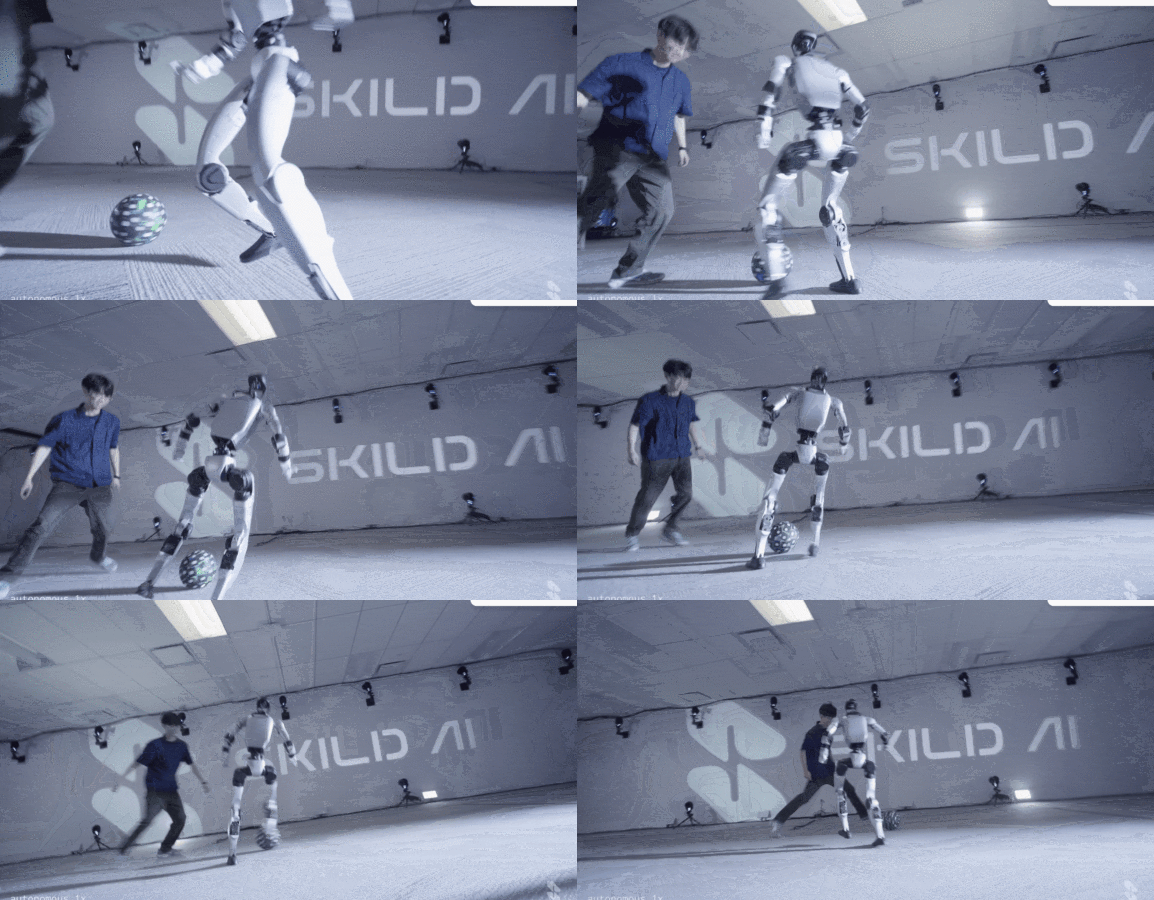
Skild AI Says Physical Self-Play Can Push Robots Beyond Human Limits
Skild AI has unveiled a new post-training approach for embodied intelligence that uses physical self-play to teach humanoid robots highly dynamic skills. In a demonstration centered on soccer, the company showed a robot defending, dribbling past opponents and scoring—abilities acquired largely through self-competition rather than hand-coded rewards. The robot tracks the ball closely and denies the human opponent possession. After briefly losing focus and conceding an interception, it recovers, turns, runs with the ball and finishes into the goal. The significance is not robot soccer itself, but the use of physical self-play. Most robot foundation models are pretrained on human data. Skild’s S1 model, released last month, follows that pattern and can learn tasks from in-context demonstrations, similar to prompt-based...
 the 2026 Bund Summit