
SpaceX and Tesla have made progress in merger talks and could announce a deal as soon as December, Bloomberg News reported, citing people familiar with the matter. The companies’ boards and advisers are discussing merger terms, equity arrangements and governance of the combined company, according to the report. A backup timeline would push an announcement to early 2027. A merger would create the largest M&A deal on record. The two companies have a combined market value of about $3.4 trillion, and the merged entity would rank around fifth among U.S. listed companies, ahead of Amazon, according to the report. The combined company would bring together rockets, satellite internet, AI, chips, computing, electric vehicles, robots and energy storage under Elon Musk....
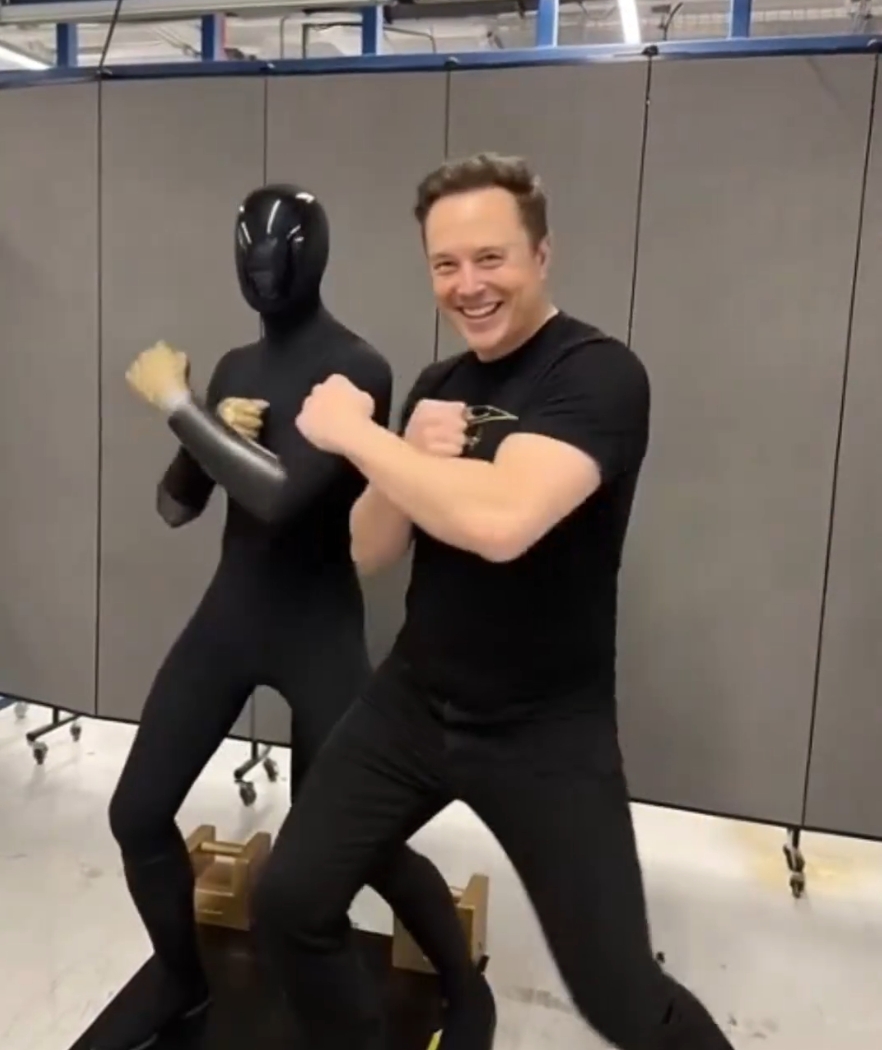
Tesla CEO Elon Musk said Optimus humanoid robots will begin deliveries around the end of 2027, and that the initial model could be rented rather than sold. Musk said the initial cost per robot may be similar to an electric vehicle, at about $30,000, before falling to around $20,000.
Tesla CEO Elon Musk said on the company’s third-quarter 2026 conference call that Optimus still needs further work on artificial intelligence, electromechanical systems, safety and durability, and that external deliveries are only “possible” by the end of next year, not a firm commitment. The update offered no breakthrough for investors and robotics enthusiasts who had hoped for a concrete commercial timeline. The Fremont factory has begun “early production” on a high-volume Optimus line, Musk said, and most of the equipment for a 1-million-unit annual capacity line is already installed. But reaching an annualized rate of 20,000 units a week, roughly 1 million a year, will take “probably at least a year, maybe a little longer,” he said, citing continuing design...
Tesla said on Wednesday it has begun producing Optimus humanoid robots at its Fremont, California, factory, a site previously dedicated to electric vehicle manufacturing. “The robots coming off this line are the first mass-production-grade robots we have built,” Tesla wrote in its third-quarter shareholder letter. “While we will continue to improve the hardware and manufacturing process, we have proven that Optimus’ current manufacturing process is suitable for a commercial product.” CEO Elon Musk said on a conference call that he views the output as “early production” and that the ramp will be slow and “somewhat bumpy, because it is an extremely aggressive new product.” He said Tesla aims to produce 20,000 Optimus robots per week by the end of 2027....
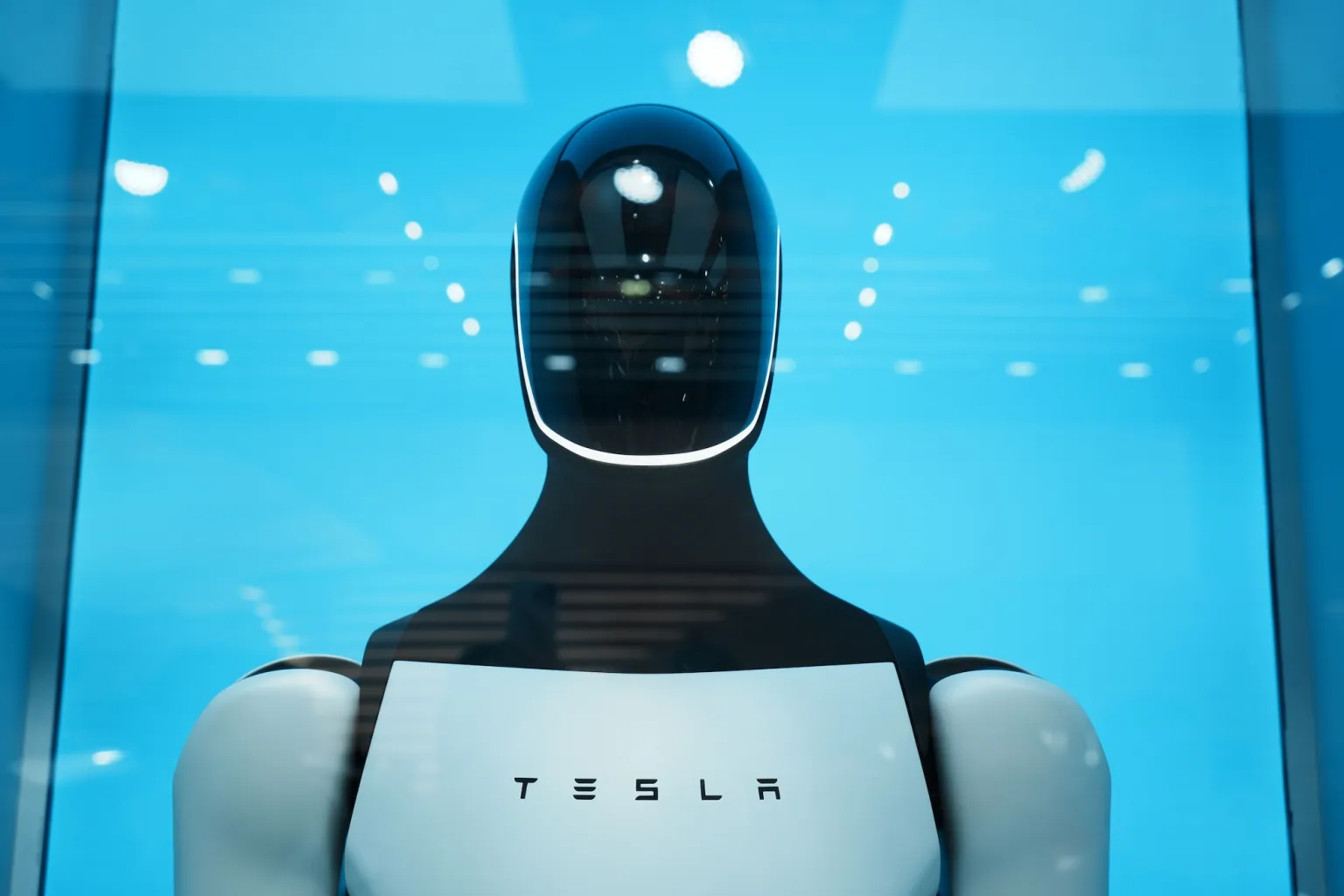
Tesla’s third-generation Optimus humanoid robot is ready for mass production, refocusing market attention on the sector. Artificial intelligence is moving from the digital world into physical space, with humanoid robots viewed as one of the most important embodiments of physical AI.
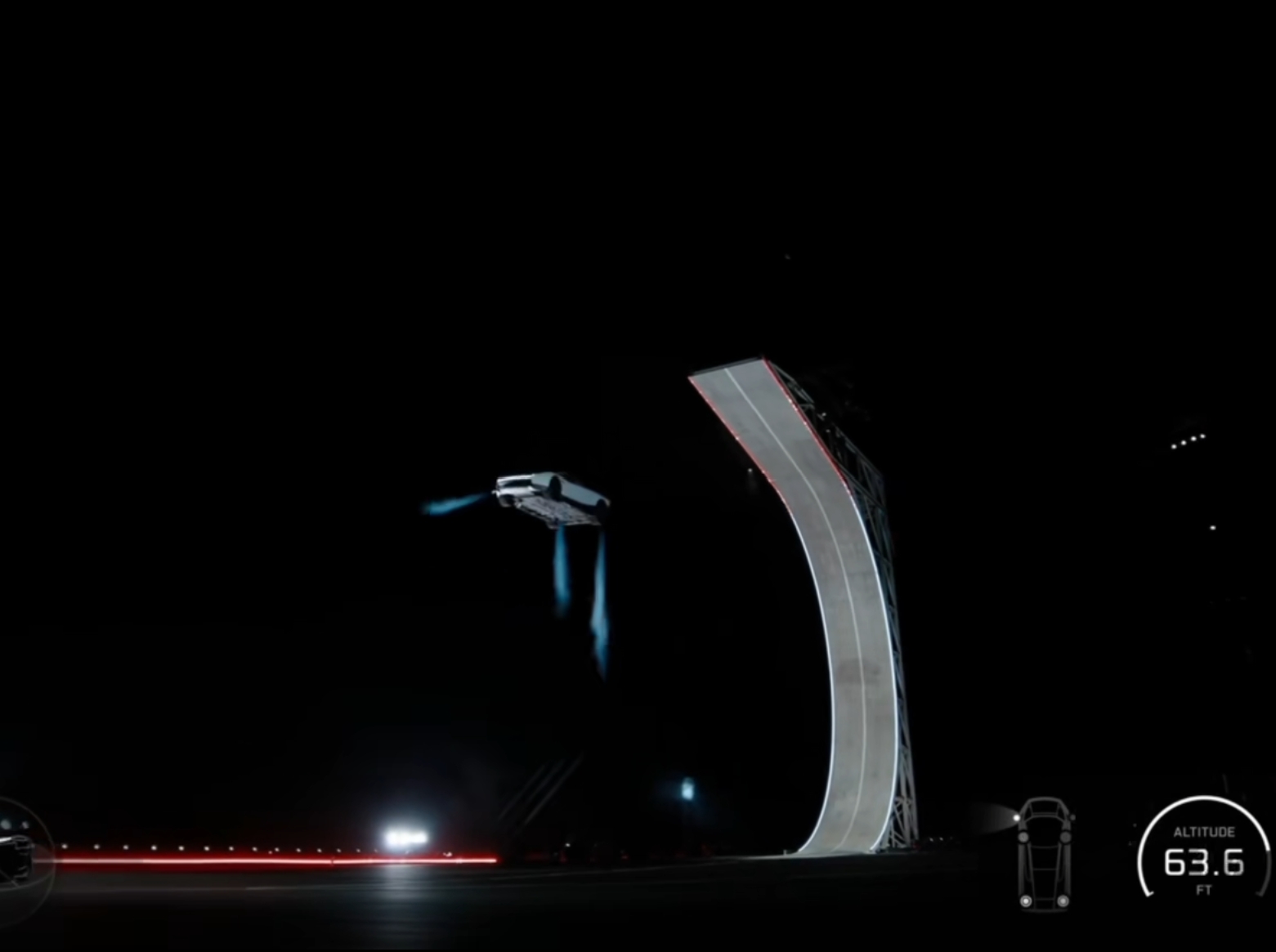
Tesla Inc (TSLA.O) on Friday unveiled the second-generation Roadster, an electric sports car equipped with a cold-gas propulsion system developed with SpaceX and a fan-based downforce system that the company said can allow brief lift-offs and aerial maneuvers. Tesla called it “the last best driver’s car.” At a special event at SpaceX’s test site in McGregor, Texas, CEO Elon Musk and his team demonstrated the car. Tesla said the original 2008 Roadster had one goal: to prove electric vehicles could be fast, sexy and desirable. The second-generation model, it said, marks a new moment: the best among the last human-driven cars. The Roadster first drove onto a C-shaped ramp and stopped midway on the vertical section, hanging upside down. It...
Ashish Kumar, who previously led Tesla’s Optimus humanoid robot AI initiative, announced the founding of a new startup focused on developing non-humanoid robots. The venture is reportedly seeking to raise approximately $100 million in funding to innovate within the robotics industry.
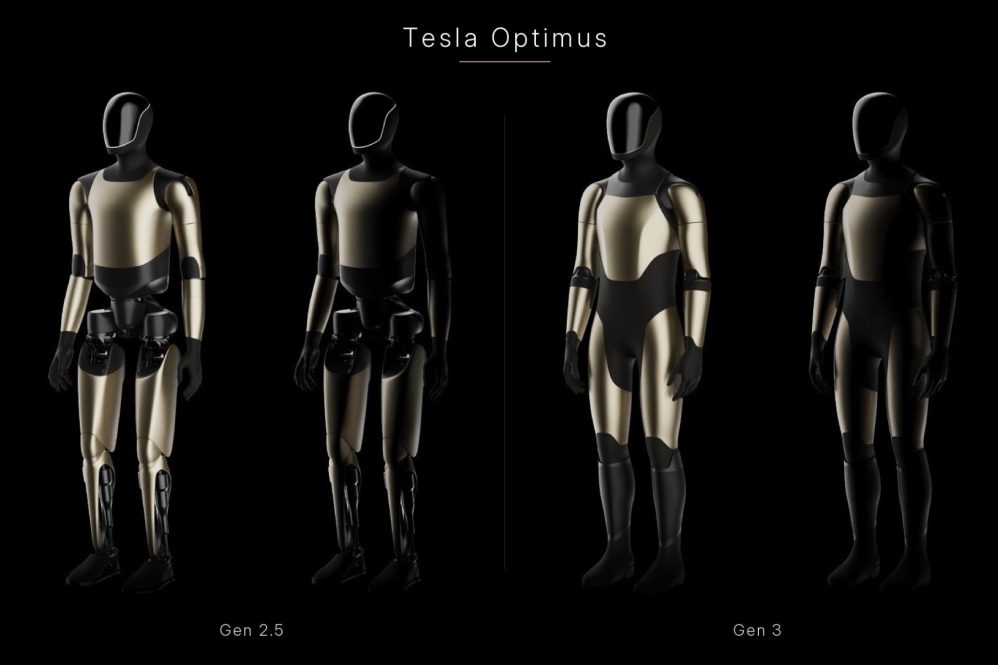
A robotics enthusiast accidentally unpacked Tesla Inc’s (TSLA.O) Android app package and discovered unreleased designs for the company’s third-generation Optimus humanoid robot, according to a now-deleted post on X. User @wholemars said in a post on Tuesday, which has since been deleted, that he extracted the material from Tesla’s app. The files included renderings labeled “gen3” and side-by-side images of Optimus 2.5 and Gen 3 to distinguish the two generations. The images were not concept sketches or fan renderings, but internal material Tesla embedded in a publicly distributed app package, according to the post. According to the leaked images, the Gen 3 Optimus appears more streamlined and designed for factory assembly lines rather than the laboratory. Compared with Optimus 2.5,...
Tesla is producing several hundred Optimus robots a week at its Fremont factory, about 10 times the dozens a week seen during small-batch testing in the second quarter. But the ramp-up does not mean Optimus has reached commercial maturity. The V3 units now rolling off the line are not Tesla’s planned final commercial version and still need to meet durability and reliability requirements. Management reportedly aims to build a continuously running automated line by year-end with capacity of more than 1,000 units a week. Production still relies heavily on manual assembly, especially complex hand and forearm assemblies containing more than 100 small parts and fasteners. Tooling positioning problems and post-production rework also persist. Supplier yield challenges are growing, with reliability...
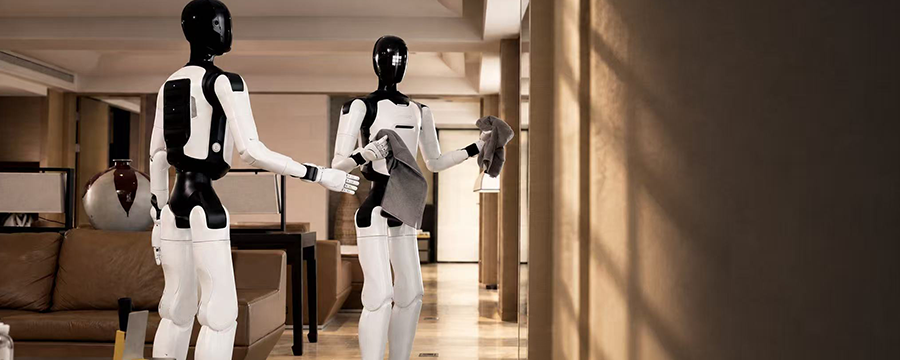 AGIBOT
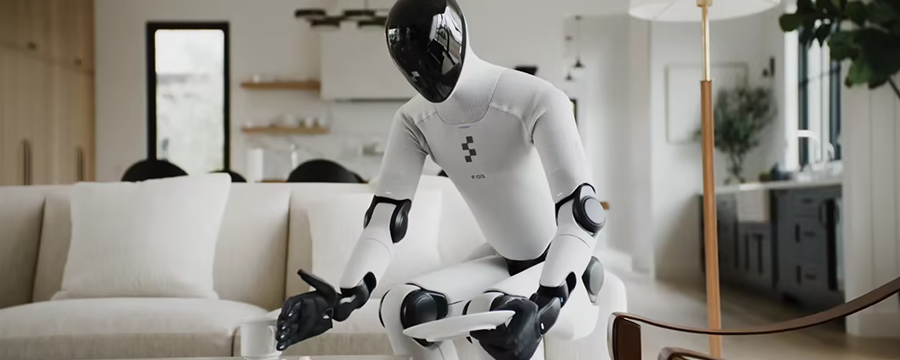 Figure AI
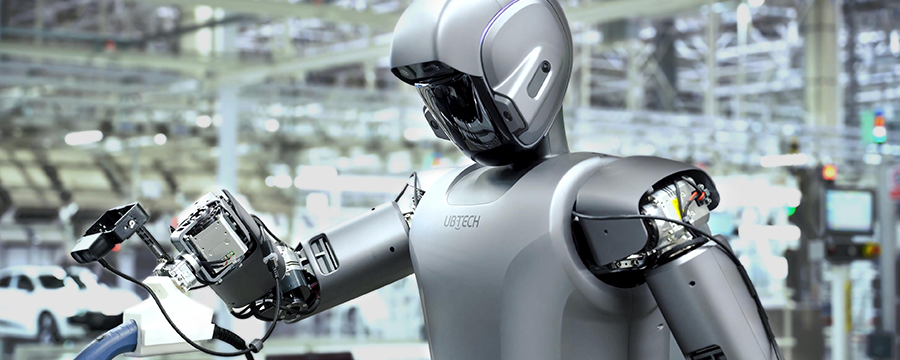 UBTECH