Tesla CEO Elon Musk said on the company’s third-quarter 2026 conference call that Optimus still needs further work on artificial intelligence, electromechanical systems, safety and durability, and that external deliveries are only “possible” by the end of next year, not a firm commitment. The update offered no breakthrough for investors and robotics enthusiasts who had hoped for a concrete commercial timeline.
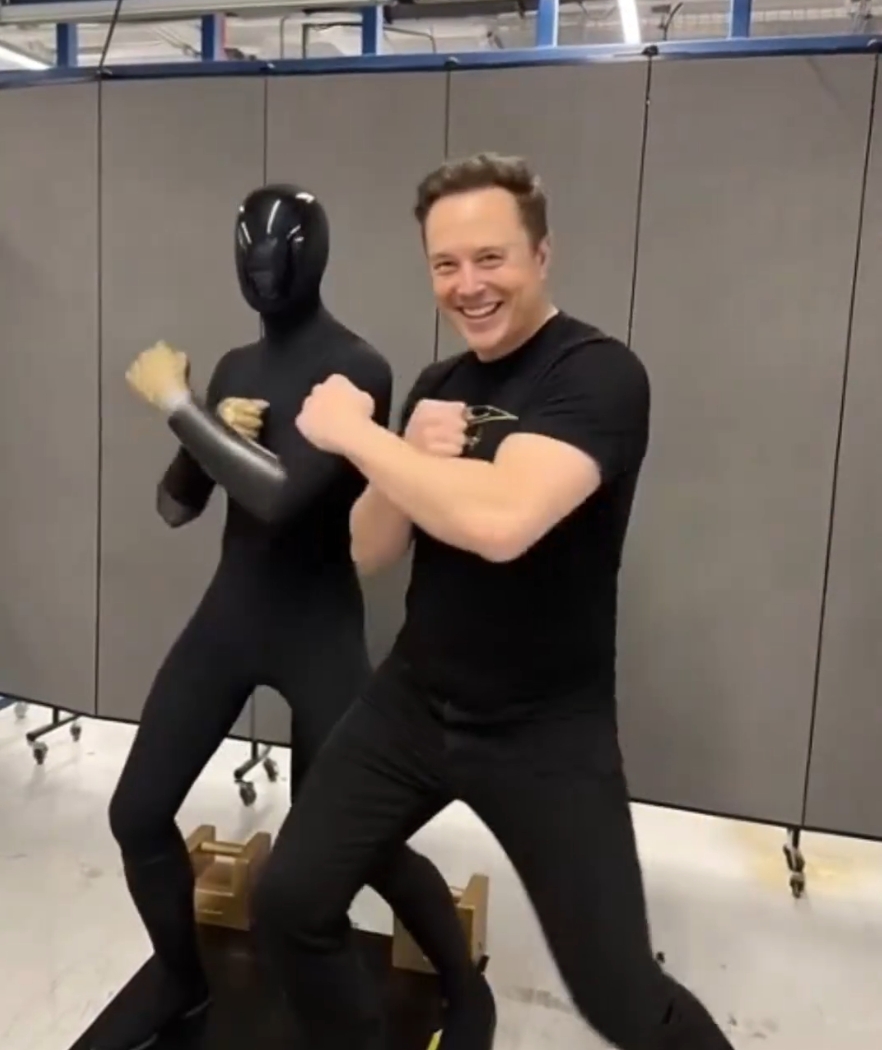
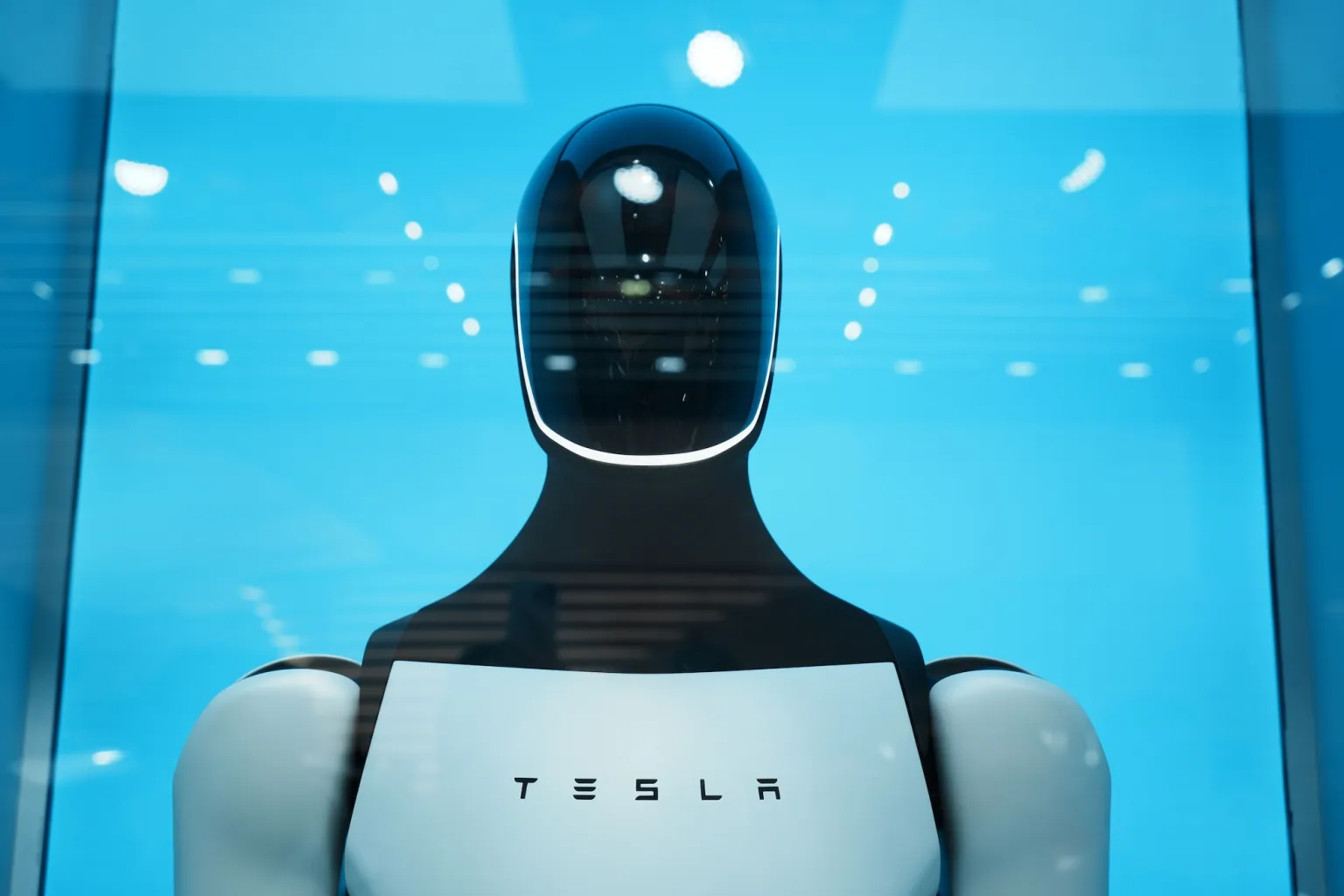
The Fremont factory has begun “early production” on a high-volume Optimus line, Musk said, and most of the equipment for a 1-million-unit annual capacity line is already installed. But reaching an annualized rate of 20,000 units a week, roughly 1 million a year, will take “probably at least a year, maybe a little longer,” he said, citing continuing design changes. Musk described the ramp as an S-curve “with a shallow slope” at the start, warning that “there are like 10,000 things that must go right simultaneously, and the production speed is determined by the slowest and least likely of those 10,000 things.”
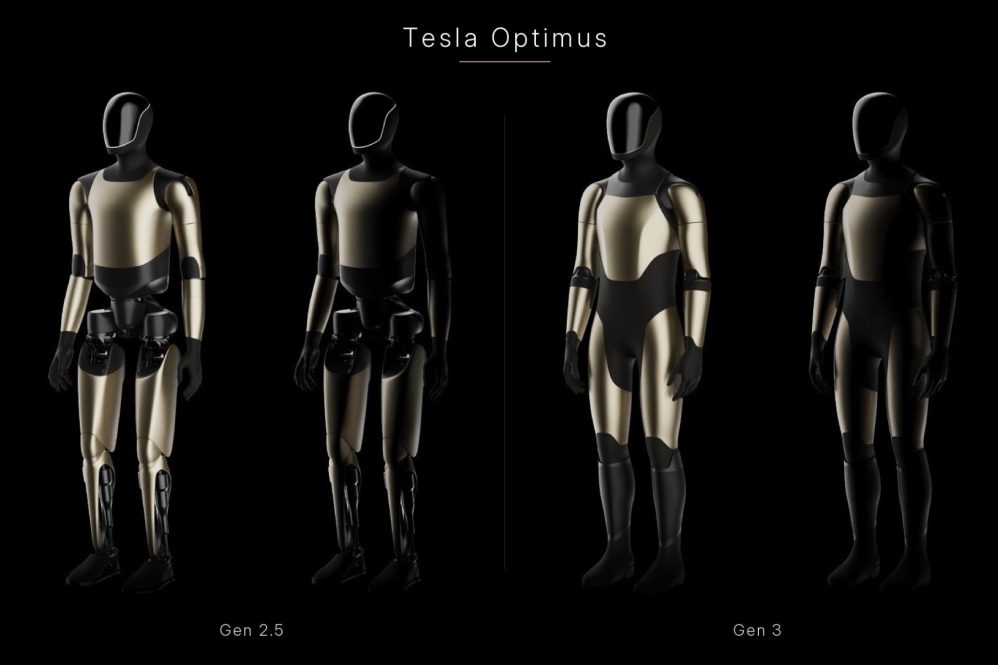
The most stubborn hardware constraint remains the hand. Each Optimus hand and forearm contains more than 100 screws and small parts that workers still assemble by hand, and equipment at several stations does not always align components with the required precision. Touch sensors have also proved unreliable, prompting Tesla to develop a replaceable “sensing glove” planned for next year’s model.
On software, Tesla is constructing what Musk called an “Optimus Academy,” deploying an initial fleet of 10,000 to 20,000 prototype robots for self-play and task iteration. The aim is to create a “flywheel effect” in which real-world interaction data continuously improves the robot’s ability to perform a widening range of tasks, a strategy that bypasses the scarcity of natural data-collection environments that autonomous vehicles exploit on public roads. Tesla has already trained the Optimus V3 AI system on more than 500,000 hours of data collected in real work environments, though the robot remains focused on controlled tasks inside Tesla facilities and is “far from a general-purpose robot” deployable across varied settings.
The competitive backdrop is sharpening. Figure AI’s Figure 02 humanoid has completed 10-hour shifts on BMW’s X3 line in Spartanburg, supporting production of more than 30,000 vehicles and handling over 90,000 parts. Boston Dynamics has signaled its first commercial deployments in 2026, and a crowded field of Chinese and U.S. entrants is converging on factory and warehouse use cases.
Musk has repeatedly described Optimus as “the greatest product in human history” and has said humanoid robotics will become the world’s largest industry. Tesla’s internal planning still contemplates a production model in which early commercial units are leased rather than sold, allowing Tesla to retrieve, revise and redeploy robots while harvesting operational data for AI training.
But the gap between that ambition and the current state of the hand, the software and the supply chain is now the central question for investors. As Musk himself put it, the production-scaling challenge is “very substantial,” and this is “going to be the hardest product to scale manufacturing that we’ve ever made at Tesla, because everything on the robot is new.”

 AGIBOT
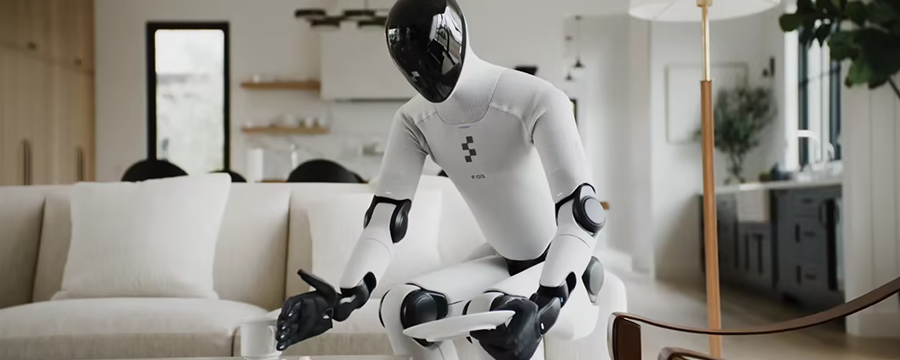 Figure AI
 UBTECH