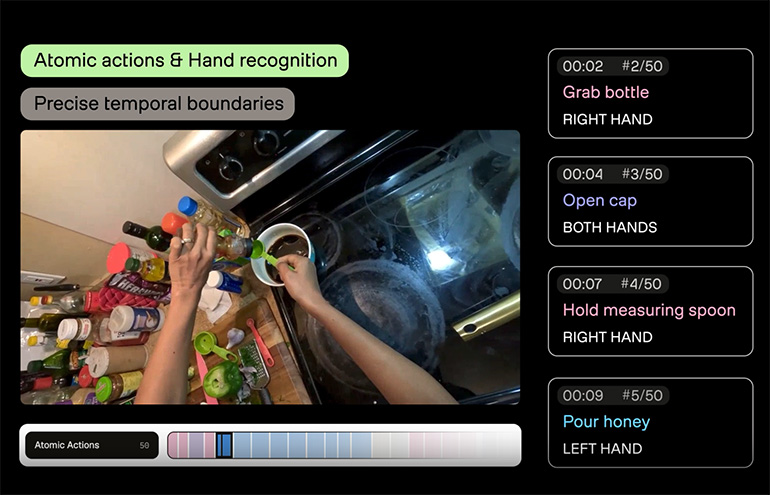
TwelveLabs said its latest video-understanding model, Pegasus 1.6, can now analyze first-person footage, more accurately identify people and objects, and process still images through the same API used for video, broadening its use for robotics, media and security customers. The model builds on Pegasus’s core function: converting video into structured, searchable text such as summaries, tags and timestamps that applications can use. The company said the biggest addition is support for egocentric video — footage shot from the perspective of a person or machine, including body cameras and robot-mounted cameras. Such data is increasingly used by robotics and embodied-AI teams for labeling and training, a category TwelveLabs previously did not support well. Pegasus 1.6 also improves entity recognition, making it...
Boston Dynamics has tapped ex‑Amazon AI executive Rohit Prasad to fill its chief executive role, nearly nine months after Robert Playter stepped down from the top post. The robotics firm stated Prasad’s appointment will take effect the day following the announcement. Previously serving as senior vice‑president and lead scientist for Alexa and Amazon’s artificial general intelligence initiatives, Prasad is tasked with accelerating Boston Dynamics’ physical‑AI roadmap. The firm notes his expertise will fuse robotic hardware with cutting‑edge AI to scale commercial deployment of intelligent machines. “Boston Dynamics holds a distinctive edge in advancing physical AI, built on its world‑renowned robotics engineering talent,” Prasad commented in an official press release. “I’m privileged to join the business at this defining turning point...
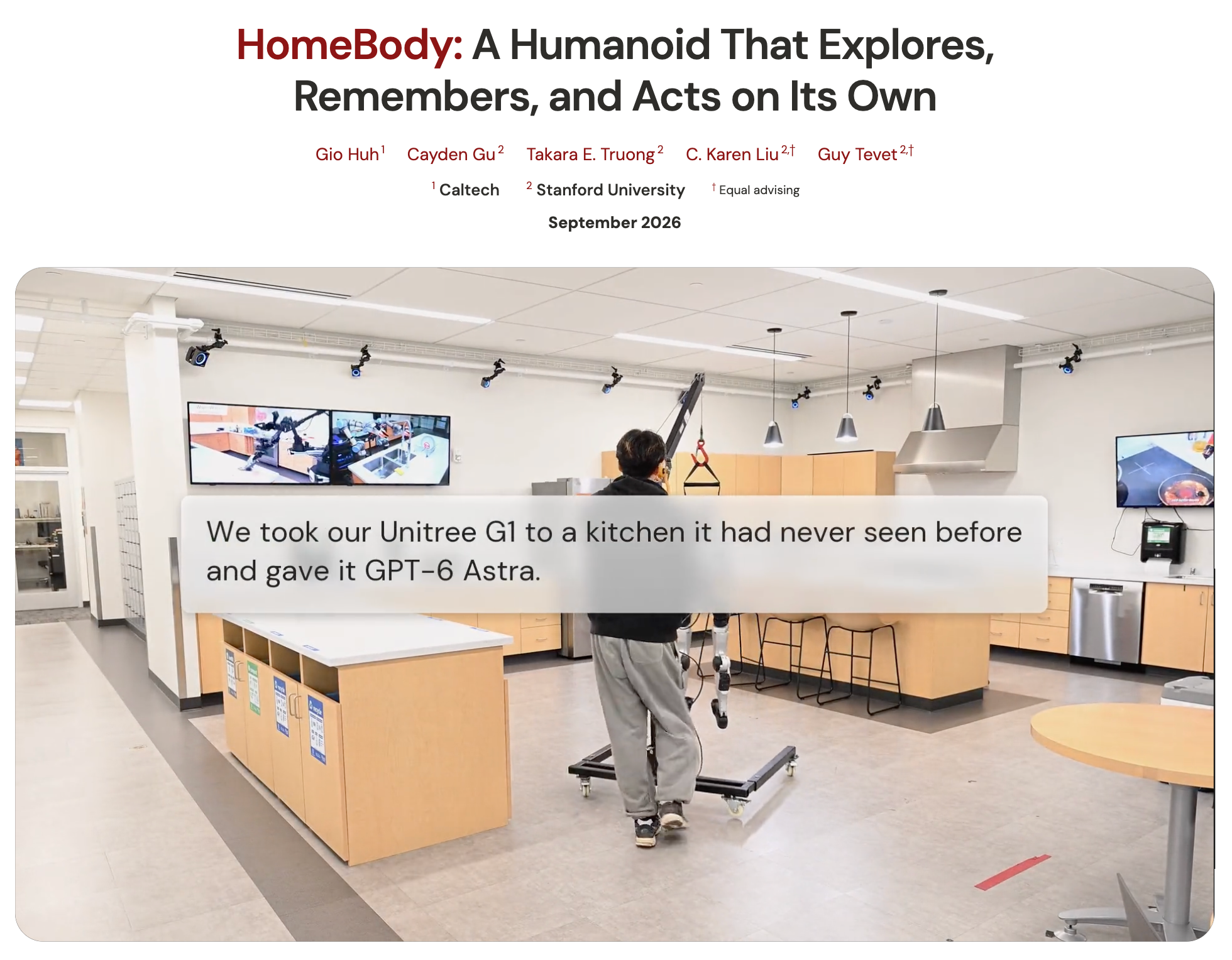
Researchers at Caltech and Stanford have unveiled HomeBody, a system that gives GPT Astra persistent spatial memory and the ability to execute compound humanoid actions for long-horizon tasks. In a kitchen demo, a Unitree G1 robot guided by Astra cleaned the room and retrieved remembered items from ambiguous requests. The team said the system requires no environment-specific training or additional policy learning. HomeBody replaces the trained intermediate VLA layer in conventional three-part architectures—System2 VLM for vision and instructions, System1 VLA for control commands, and System0 for coordinated motion. As frontier models such as Astra improve, the researchers argue trained VLAs are no longer necessary and System2 can directly manage reusable motion skills. A plug-and-play VLM calls a composable skill library....
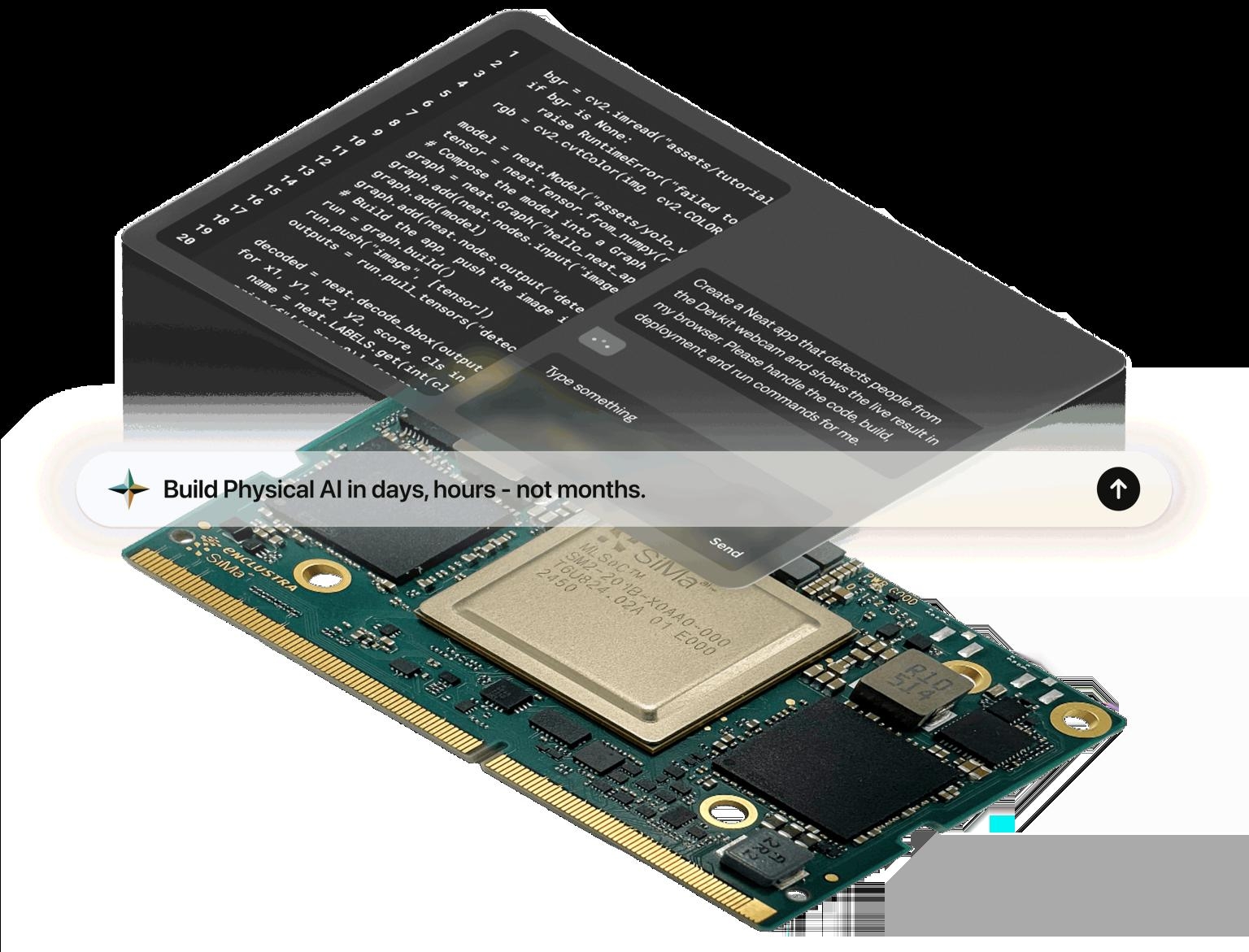
SiMa.ai, a leader in Physical AI, announced $150 million in Series C financing, bringing the total capital raised to $500 million and valuing the company at $1.45 billion. The round was co-led by Fidelity Management & Research Company and Amplify, with participation from Alter Venture Partners, Dell Technologies Capital, Maverick Capital, +ND Capital, Point72 and StepStone Group. AllianceBernstein, Baron Capital, J.P. Morgan, and the State of Michigan also joined the round as new investors. The global market for Physical AI devices, including robotics, automotive, and drones, is set to explode with cumulative shipments projected to hit 145 million units by 2035, according to Counterpoint Research. This surge marks AI’s transition from software applications into tangible, real-world consumer and industrial hardware,...
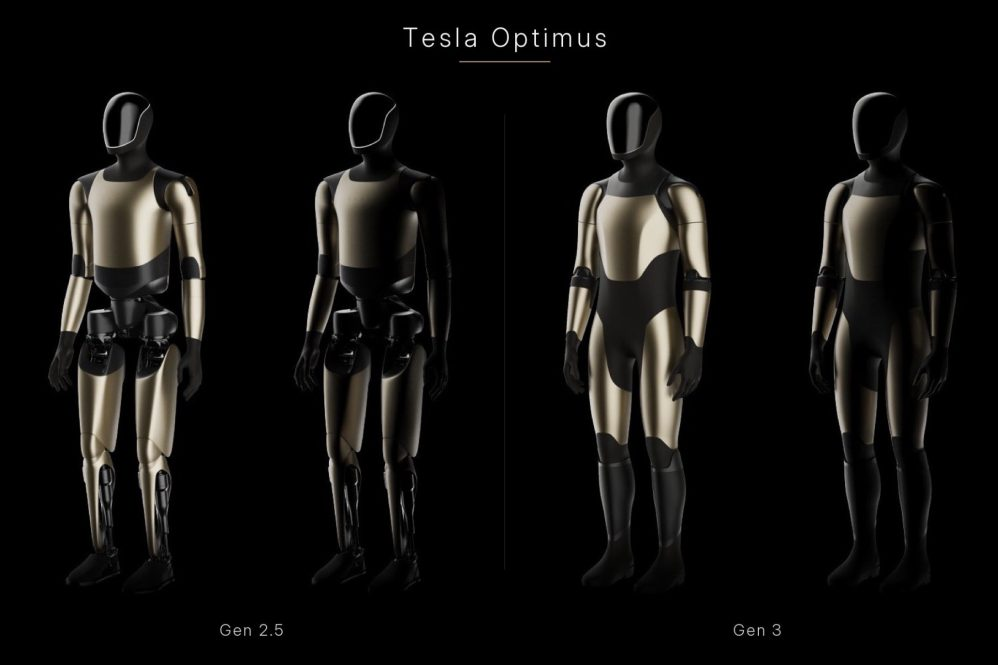
A robotics enthusiast accidentally unpacked Tesla Inc’s (TSLA.O) Android app package and discovered unreleased designs for the company’s third-generation Optimus humanoid robot, according to a now-deleted post on X. User @wholemars said in a post on Tuesday, which has since been deleted, that he extracted the material from Tesla’s app. The files included renderings labeled “gen3” and side-by-side images of Optimus 2.5 and Gen 3 to distinguish the two generations. The images were not concept sketches or fan renderings, but internal material Tesla embedded in a publicly distributed app package, according to the post. According to the leaked images, the Gen 3 Optimus appears more streamlined and designed for factory assembly lines rather than the laboratory. Compared with Optimus 2.5,...
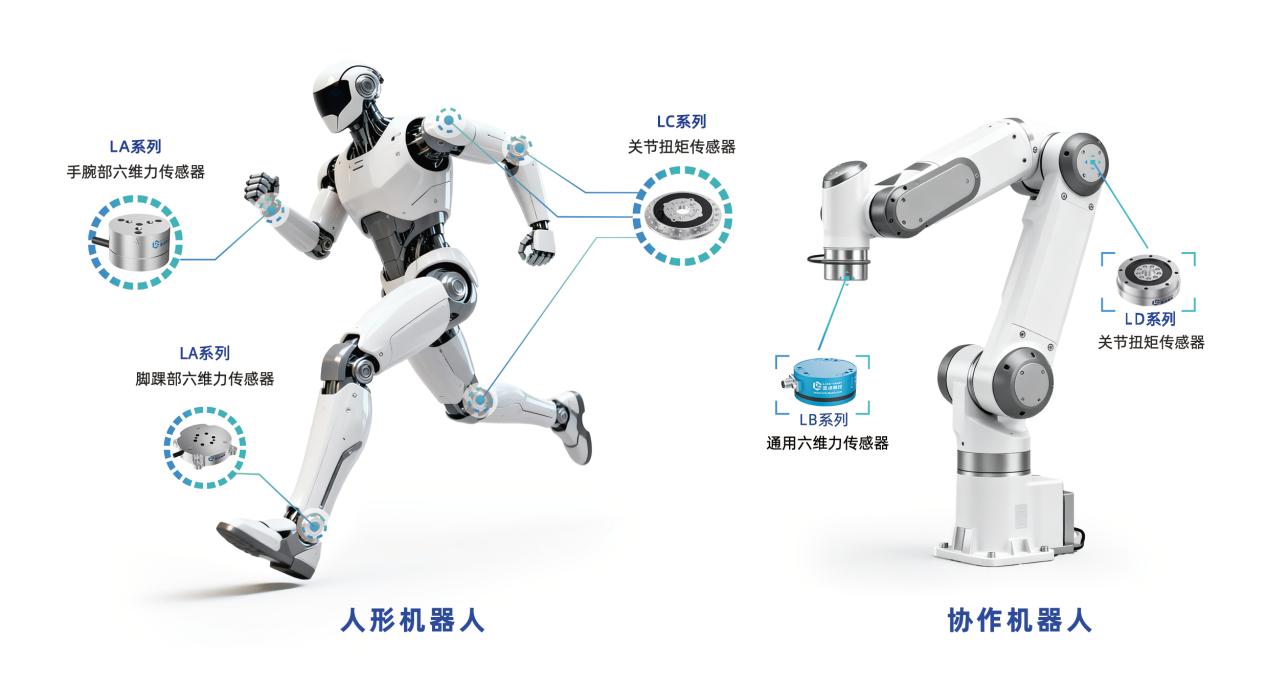
PITTSBURGH, Sept 27 – The International Conference on Intelligent Robots and Systems (IROS) 2026, a major robotics conference, opened in Pittsburgh on Sept. 27, with Chinese sensor maker LinkTouch showcasing a full product matrix that put Chinese-made robot core components in the spotlight. Six-axis force/torque sensors are a key sensing component for flexible robot manipulation and are often described as a crown jewel of high-end equipment manufacturing. Overseas companies long monopolized the technology, keeping prices high and delivery cycles long and limiting mass commercialization of humanoid robots. Chinese firms such as LinkTouch have pushed the mass-production cost of high-end six-axis sensors down to the tens of thousands of yuan level through independent innovation and scaled manufacturing, the company said, removing...
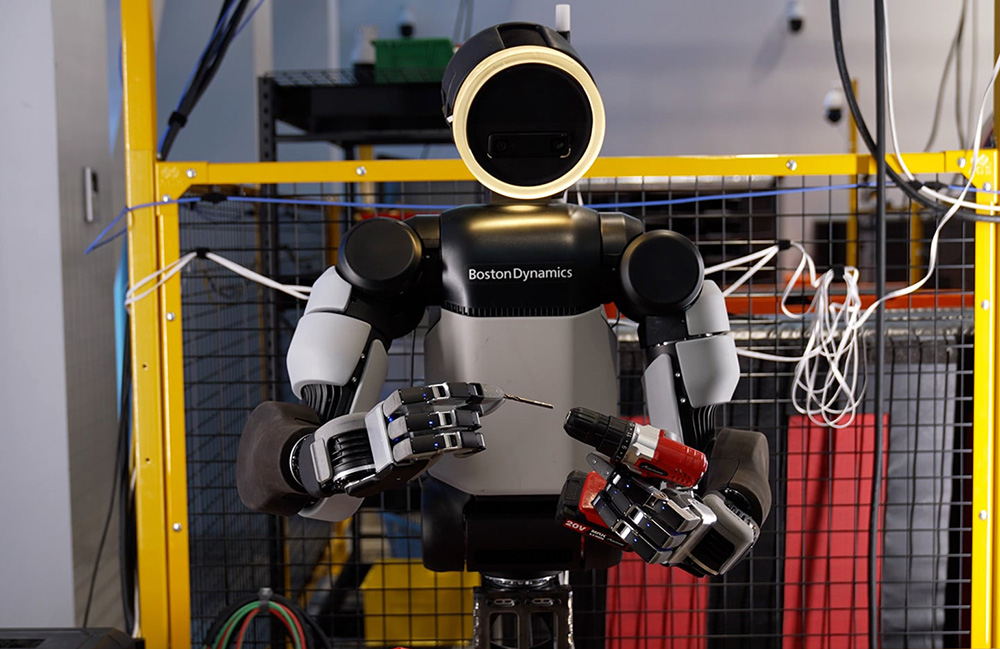
Boston Dynamics has introduced a new four-fingered hand for its Atlas humanoid, a 13-degree-of-freedom, directly actuated design intended for mass production. The hand marks a strategic shift. Earlier Atlas hands had seven degrees of freedom and were designed to grasp a wide range of objects. The new version focuses on manipulating them. “We considered many, many designs,” said Alberto Rodriguez, director of robot behavior for Atlas. “It boils down to a trade-off of competing objectives.” The design omits a pinky and is tailored for high-fidelity simulation and sim-to-real reinforcement learning. It uses a single actuator type, fully encapsulated joints and no fragile cables crossing joints. Boston Dynamics said the hand can slide the thumb tip along and across the other...
ZHUHAI, Sept 24 – China’s AGIBOT ranked first globally in humanoid robot shipments and revenue in the first half of 2026, as the global market extended explosive growth, according to a new report from IDC. Global humanoid robot shipments approached 25,000 units in H1 2026, up 432.1% year on year, IDC said, as the industry accelerates from technology validation to commercial application. China’s shipments exceeded 19,000 units, accounting for about 77.9% of the global total. AGIBOT shipped more than 8,600 units, giving it a runaway lead globally. The company is deploying flagship projects in factories, cultural tourism and retail, backed by its fully self-developed, full-stack “Three Intelligences in One” technology framework and large-scale mass production and delivery capabilities, IDC said. IDC’s...
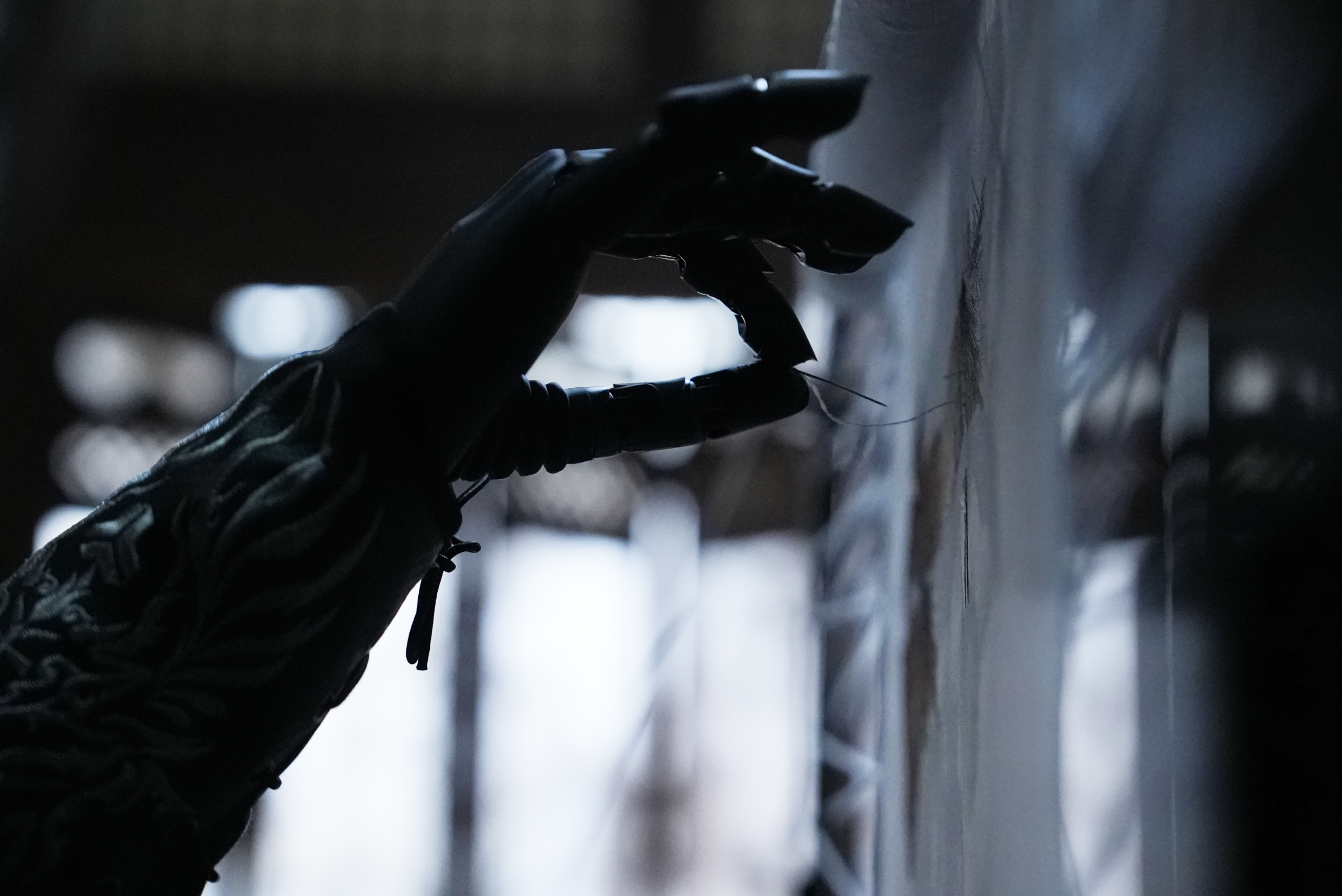
A robotic hand developed by Chinese firm AGILINK has been taught foundational Suzhou embroidery techniques by master craftswoman Fu Xianghong, including separating silk threads, threading a needle, stretching fabric on an embroidery hoop and stitching. The demonstration puts a robotic hand to work with one of the most delicate and deformable materials it can encounter: silk. A silk thread can bend, slip and change shape with slight changes in contact. Splitting silk requires one finger to separate individual strands while others maintain support and tension; twisting thread requires opposing fingertips to maintain contact while allowing the thread to turn. Threading a needle and stitching add further demands on positioning, force and coordination. The OmniHand 3 Ultra combines 21 active degrees...
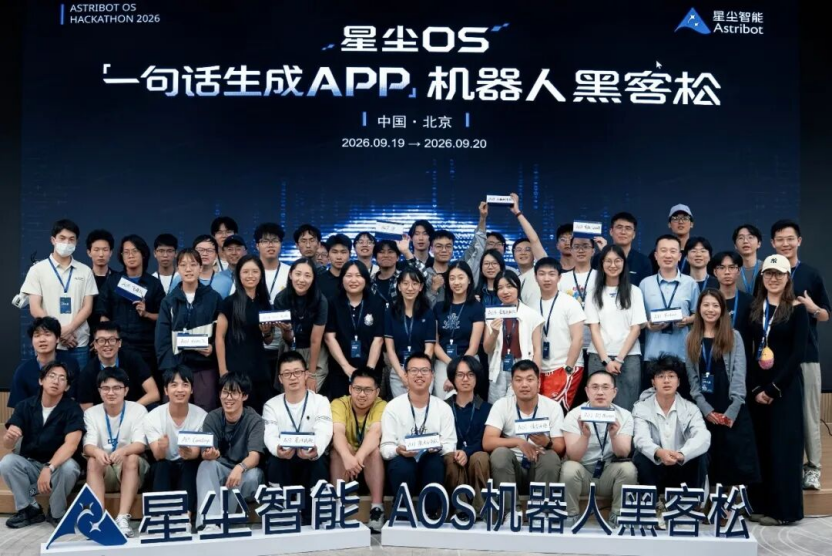
BEIJING, Sept 28 – Chinese embodied AI company Astribot announced the winning apps from the second stop of its Astribot OS hackathon, where 15 teams produced runnable robot applications in 36 hours under a format that generates robot apps from a single sentence. The apps covered elderly care, entertainment and scientific research. Astribot said all were deployed on real robots without teams writing low-level control systems from scratch, marking a step from embodied AI research toward scenario-based applications. Organizers and mentors said the event showed a shift from expert customization to platform assembly. Developers built on Astribot OS’s packaged Meta/Skill modules, SDK, motion control and safety capabilities, rather than handling motion control, communications and hardware drivers themselves. “This is not...
Water smart hardware brand MIRAVA raises nearly 50 mln yuan in angel round
MIRAVA, a water-surface smart consumer hardware brand under Shaanxi-based embodied intelligence company ORCAUBOAT, said it has raised nearly 50 million yuan in an angel round led by Jiuhe Venture Capital, with Chuxin Capital and Eversnow participating.
The proceeds will mainly fund mass production of smart yacht products, first customer deliveries and European market expansion.
MIRAVA focuses on the water consumer market and aims to integrate smart technology into water lifestyles. In September, it made its debut at the Cannes Yachting Festival, presenting its M800 to the European market for the first time.
Shenzhen ABROBOT raises tens of mln yuan in Series A+ round
Shenzhen ABROBOT Medical Robot Co., Ltd. said it has raised tens of millions of yuan in a Series A+ funding round led by Puhe Capital, with Longgang Financial Holdings participating.
Founded in June 2020 by Professor Guo Shuxiang, a foreign member of the Engineering Academy of Japan and an IEEE Fellow, and his team, ABROBOT focuses on the development and commercialization of vascular interventional surgical robots.
Its products cover neurological, coronary, peripheral and oncological interventions. The company's first-generation PANVIS-A cerebrovascular interventional surgical assistance system received a Class III registration certificate from China's National Medical Products Administration in August 2024.
ACE Robotics, PetroChina Shanghai Sales unit partner on embodied AI convenience store pilot
ACE Robotics and PetroChina Shanghai Sales Company have formed a strategic partnership to launch a pilot fully closed-loop embodied AI robot project in a gas station convenience store, the companies said.
The partners will combine PetroChina Shanghai Sales' digital platform, supply chain system and offline convenience store network with ACE Robotics' capabilities in the Kaiwu world model, robot hardware and embodied intelligence technology. They aim to explore a four-in-one embodied retail co-creation model—"scenarios set the tasks, platforms coordinate, models drive, and robots execute"—and build a warehouse-store integrated smart retail paradigm for real business scenarios.
Jiangte Electric to invest 100 mln yuan in robot startup Vita Dynamics
Jiangte Electric (002176.SZ) said it plans to invest 100 million yuan alongside affiliated investors in Vita Dynamics' Pre-A+++ funding round, with a total capital increase of 300 million yuan.
The affiliated investors will contribute 200 million yuan. The deal gives Vita Dynamics a pre-money valuation of 3 billion yuan. After the capital increase, Jiangte Electric and the affiliated investors are expected to hold 3.0303% and 6.0606%, respectively.
Jiangte also said it has started joint development of dexterous hand motors and key components with Vita Dynamics, and the products are planned to be supplied to third-party robot OEMs.
DeepSeek to lead funding in robotics AI startup Winverse AI
DeepSeek plans to lead a funding round of tens of millions of dollars in robotics AI company Winverse AI, people familiar with the matter said. Meituan's Longzhu Capital and others have also committed, valuing Winverse at about $400 million (2.7 billion yuan). The deal is not final and details could change.
If completed, it would be one of DeepSeek's largest startup investments since its 2023 founding. DeepSeek previously invested in Unitree Robotics, holding 0.2308%, or 933,399 shares, to co-develop embodied intelligence models.
Founded in 2026, Winverse focuses on robot AI models. Founder Hu Han earned a bachelor's degree from Tsinghua in 2008 and a PhD there in 2014. He was previously a Tencent Distinguished Scientist leading Hunyuan vision-language and embodied foundation model teams, and worked at Microsoft Research Asia and Baidu.
D-Robotics debuts at CIIF with full-stack AI for industrial robots
D-Robotics made its debut at the 26th China International Industry Fair (CIIF), which opened at the National Exhibition and Convention Center (Shanghai) on Oct. 12, showcasing full-stack AI capabilities for visual inspection, industrial data collection and industrial embodied intelligence.
The company presented its Sunrise intelligent computing chips, RDK robot developer kits and RoboGo software platform. For industrial customers, D-Robotics combines edge computing, supporting algorithms and cloud-based development tools.
NTU Singapore team wins IROS 2026 legged robot challenge with GENISOM AI M1
A team from Nanyang Technological University (NTU) in Singapore won the IROS 2026 Legged Robot Challenge, using GENISOM AI's quadruped robot Tongchui M1, the event concluded at the David L. Lawrence Convention Center in Pittsburgh.
During the event, the M1 achieved fully autonomous operation throughout the entire course for the first time. It autonomously perceived the arena environment, dynamically planned its route to complete autonomous navigation, and after reaching the target position autonomously drove its robotic arm to carry out manipulation tasks. The whole process ran fully autonomously, without manual remote-control intervention.
Unitree Founder: Embodied AI's "ChatGPT Moment" Could Come Within One to Two Years
At the 2026 China International Industry Fair, Wang Xingxing, founder of Unitree Robotics, said that with breakthroughs in models such as GPT-6, the tipping point for embodied intelligence—its "ChatGPT moment"—could arrive "in as soon as one or two years." He also predicted that next year's GPT-7 may "directly crack the embodied intelligence problem."
RobotHOT brings China & Global Robotics Insights. Explore robotics, embodied‑intelligence updates, startup news and industry analysis for professionals worldwide.

 AGIBOT
 Figure AI
 UBTECH