Unitree Robotics founder Wang Xingxing said physical AI could see major breakthroughs within one to three years, as the Chinese robot maker held its first partner ecosystem conference to mark its 10th anniversary.
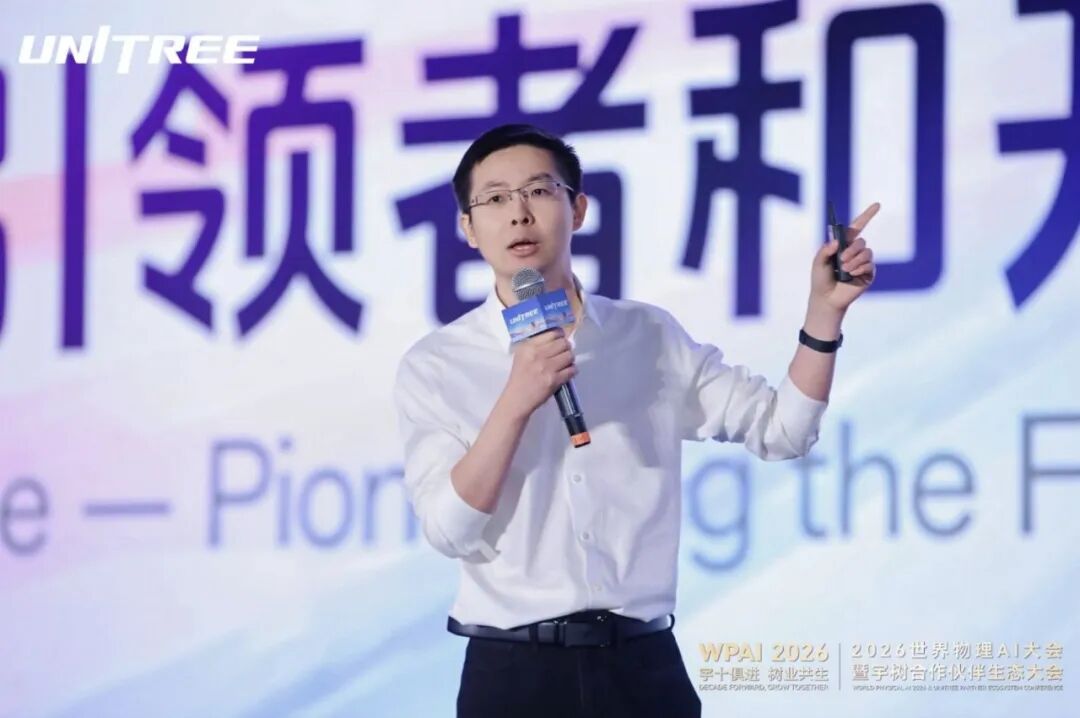
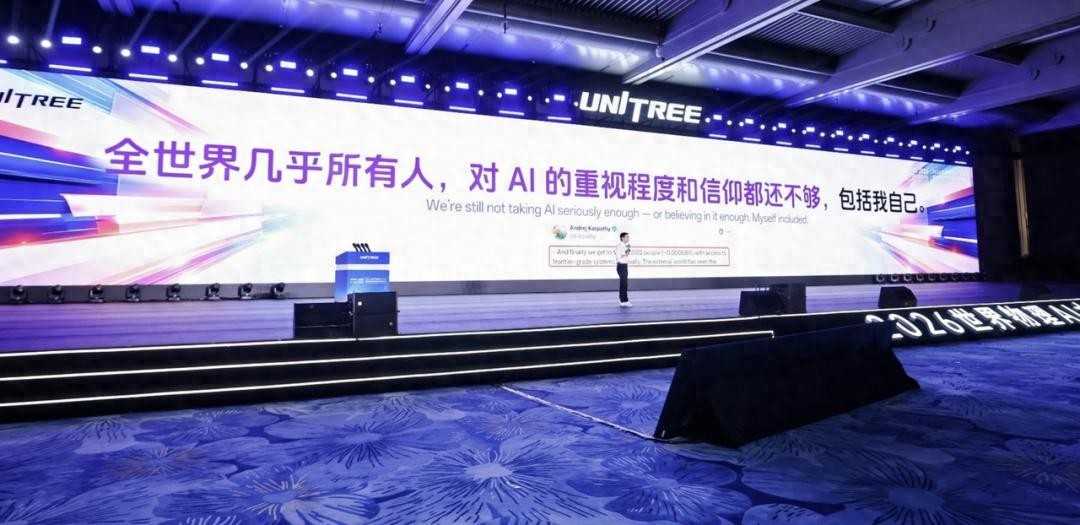
Speaking at the 2026 World Physical AI Conference in Hangzhou under the theme “Believe, Believe in AI as Much as Possible,” Wang said almost everyone worldwide, including himself, still underestimates AI. He noted he had recommended AI-related stocks to colleagues four or five years ago, saying some employees’ personal wealth could have grown tenfold or more had they believed in AI more strongly.
Wang said the lag between technological breakthrough and mass adoption typically runs five to 10 years, citing the near-decade from the internet bubble around 2000 to the spread of e-commerce around 2010. He argued that physical AI is where the biggest opportunity lies, predicting a major breakthrough in one to three years at the fastest and two to three years at the slowest.
He said GPT-6 Astra, released recently, has delivered a major shock to the embodied intelligence industry. In internal Unitree experiments, robots completed painting tasks through prompts alone, without task-specific programming, and autonomously changed paint and cleaned brushes. In another experiment, a robot identified a Go board and placed stones accurately, also under “zero-training” conditions. Wang said this shows general large models can already directly control robots to complete some tasks.
But he acknowledged GPT-6 Astra is not omnipotent. Large models can handle task planning and navigation well, he said, but still make errors in physical manipulation. Grabbing an object is relatively easy, while assembling precision components is far harder because the robot must adjust in real time based on object position and force. Current models remain weak at sensing real-environment changes and correcting operational errors, he said.
Wang said the core challenge for embodied intelligence to reach a “ChatGPT moment” is aligning AI model inputs and outputs with real robots. He aims for Unitree robots to enter ordinary households by the end of this year or next year, where people can use voice commands to have robots tidy rooms. Longer term, he said robots may complete 80% of tasks through verbal instructions.
Unitree is developing a model system called “Physical AI Robot Self-Evolution V1,” which lets AI agents write code autonomously, test and train in simulation, validate in real environments and feed results back to a self-evaluation system for continuous iteration. Wang said stronger foundation models will strengthen robots’ self-evolution, and scale effects will emerge as more data and deployed robots feed the loop. The company has also developed a pre-trained whole-body motion control model using deep reinforcement learning since last year.
Wang said Unitree’s past advantage was in robot hardware, including joint modules, power systems and motion control algorithms, but the company is now increasing investment in the “brain” side as competition shifts from making robots move to making them complete practical tasks. He described the industry as very hot with a huge future market but “extremely fierce” competition, saying: “This is the best era, and I am very afraid of wasting every day.”
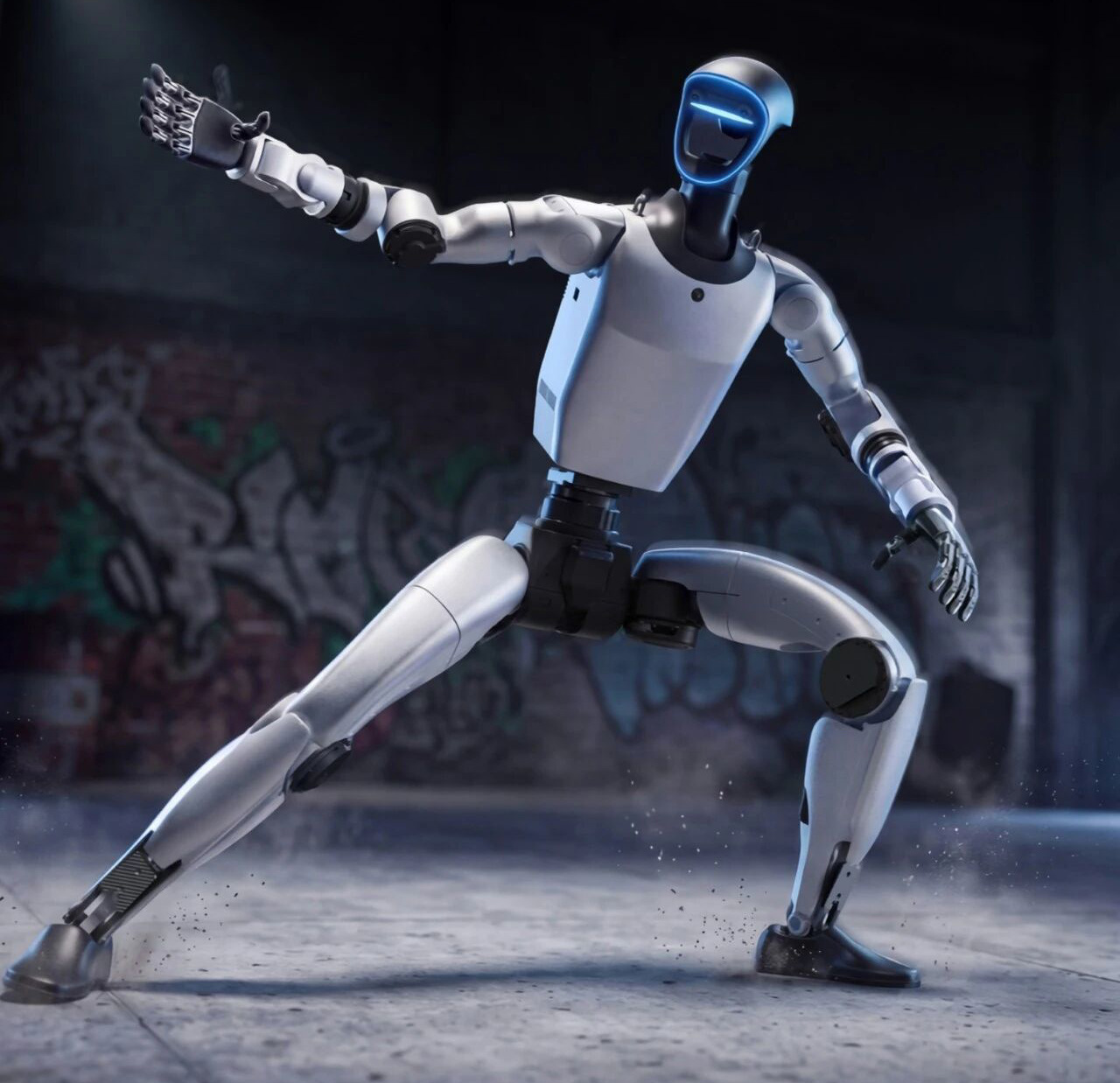
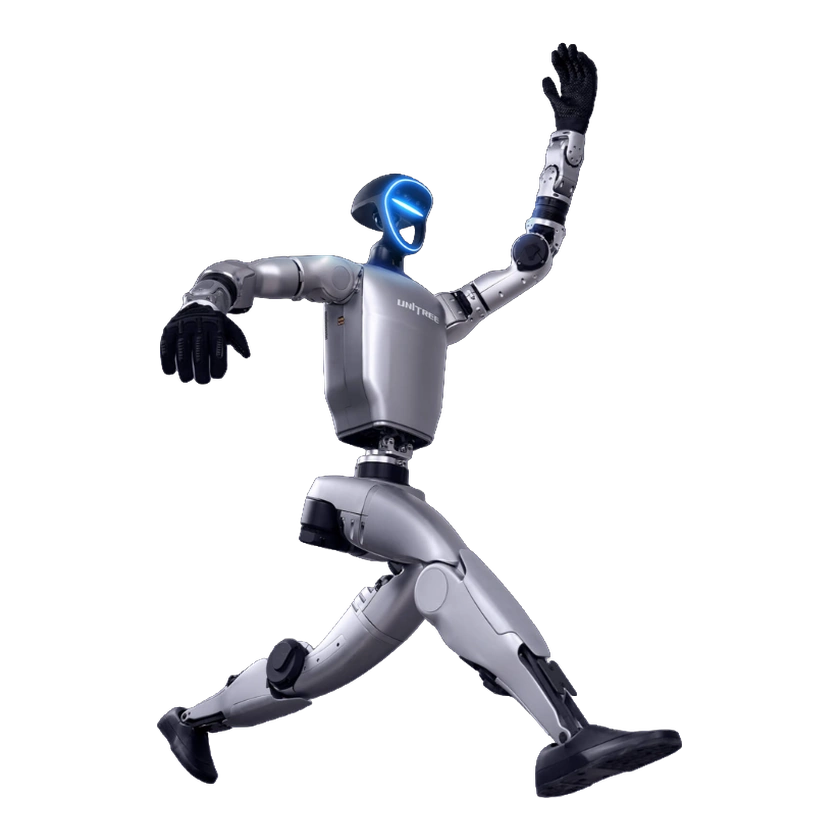
He said Unitree’s G1 robot has cumulatively rolled off the line at 10,000 to 20,000 units, far from enough, and the industry will need annual production capacity of 10 million units in the future. He identified four key directions: large-scale robot manufacturing, development and deployment of physical AI models, ultra-large-scale computing servers, and manufacturing capability for computing and storage chips.
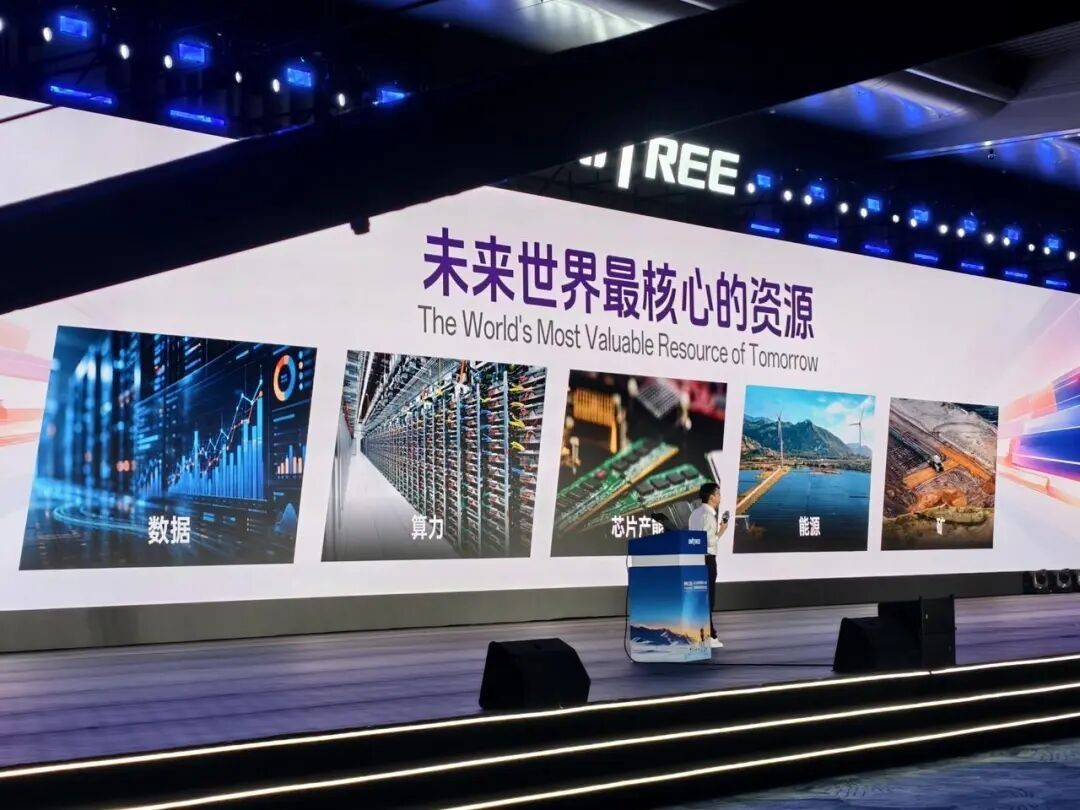
He said the world’s core resources will be data, computing power, chip capacity, energy and minerals.


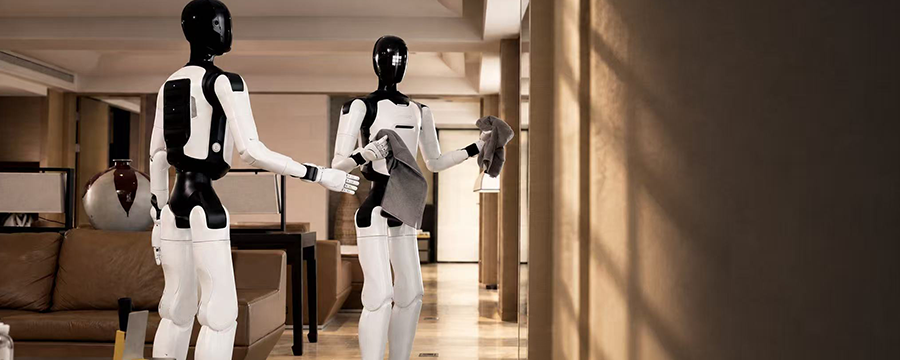 AGIBOT
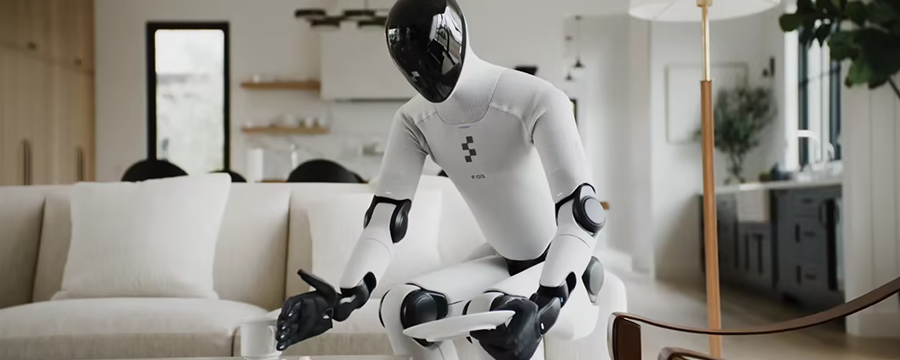 Figure AI
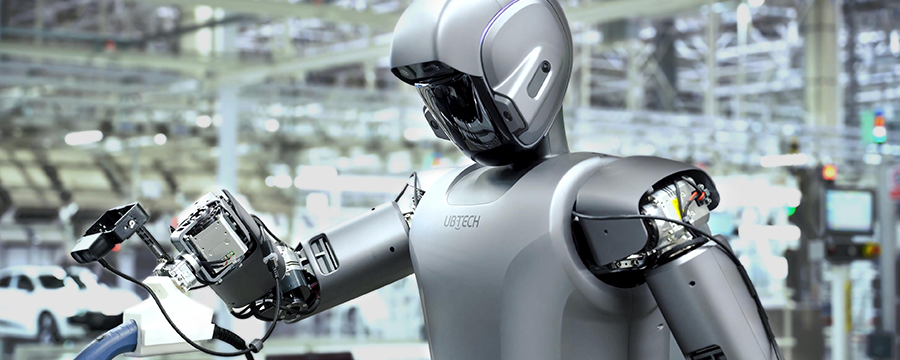 UBTECH