Humanoid robot maker Agility Robotics rang the Nasdaq opening bell under the ticker “AGLT” after completing its merger with special purpose acquisition company Churchill Capital Corp. XI. Founded in 2015, Agility builds humanoid robots for manufacturing, logistics and distribution. Its investors include Nvidia, Amazon, Foxconn and SoftBank Vision Fund 2.
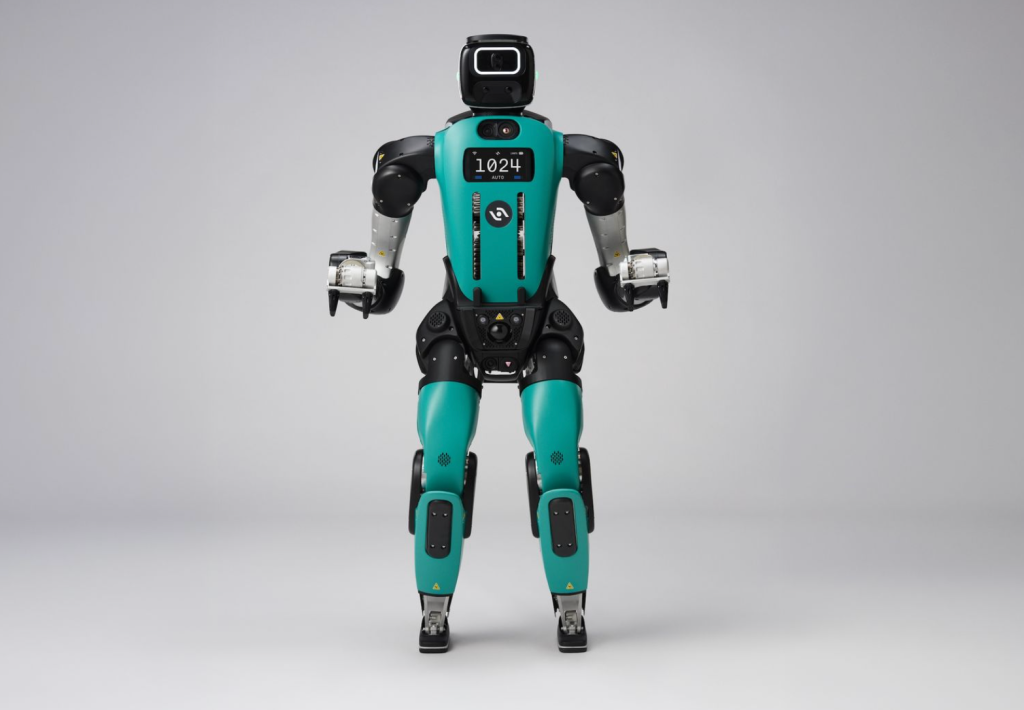
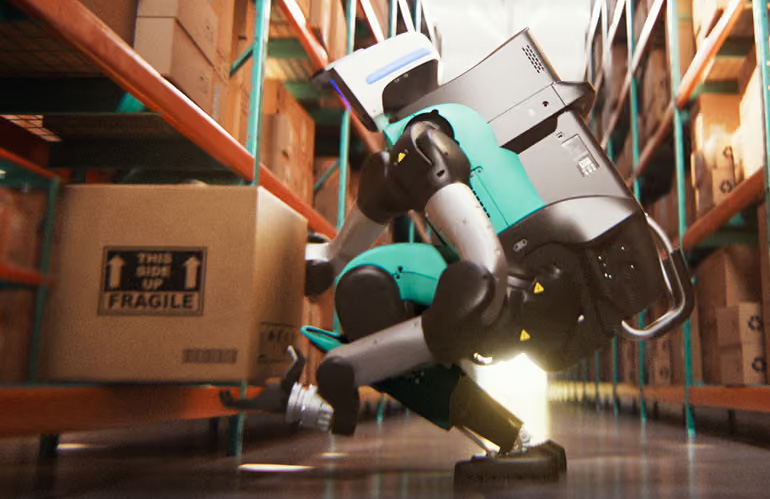
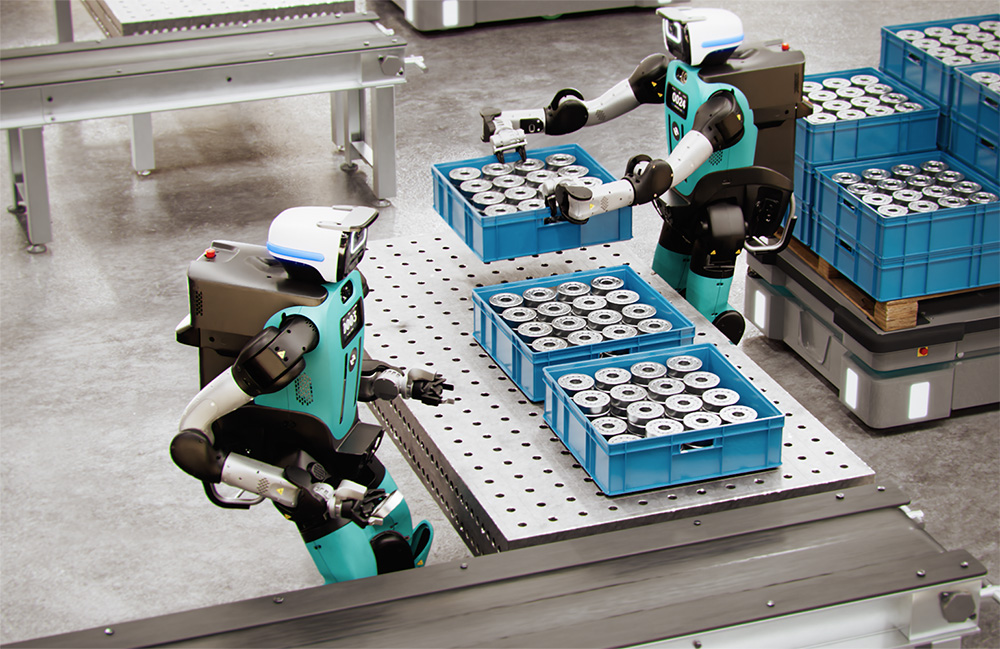
Its Digit robot has been commercially deployed at Schaeffler, GXO and Toyota Motor Manufacturing Canada, with cumulative operating time exceeding 65,000 hours. In September, Agility launched Digit 5, its first humanoid designed for scalable, collaborative safe operation.
Digit 5 weighs 284 pounds (129 kg), stands 5 feet 11 inches (1.81 meters) tall and reaches up to 7.2 feet (2.2 meters). Using cycloidal actuator technology, it can repeatedly lift loads of up to 50 pounds (22.7 kg). A new 90-minute battery system charges in nine minutes, giving a runtime-to-charge ratio of 10:1, and the robot supports tool changes by task.
On the software side, Digit 5 fully integrates with Agility Arc, the platform for deploying and managing Digit fleets. Agility Arc provides operational visibility on key fleet metrics including uptime, throughput and mean time between failures, and connects with existing warehouse management, warehouse execution and manufacturing execution systems.
Agility plans to begin deliveries to initial trial customers in the first half of 2027 and targets full market launch by the end of 2027. It has disclosed more than $300 million in long-term committed orders for Digit 5.
Agility assembles its humanoid robots at its RoboFab plant in Salem, Oregon, a 70,000-square-foot facility designed for large-scale humanoid assembly with capacity for 10,000 Digit robots a year at full operation. In July, it expanded with a new hardware and physical AI development center in Fremont, California, as a supplement to RoboFab.
According to its prospectus, about 75% of Digit components are sourced in the United States. Agility said it develops high-value hardware systems in-house, including actuators, modular end effectors, a whole-body control platform, sensing architecture, a full-system safety solution and a long-runtime fast-charge battery system. It also developed a physical intelligence layer integrating a Skill Definition Layer, real-time coordination and control based on physical AI models.



 AGIBOT
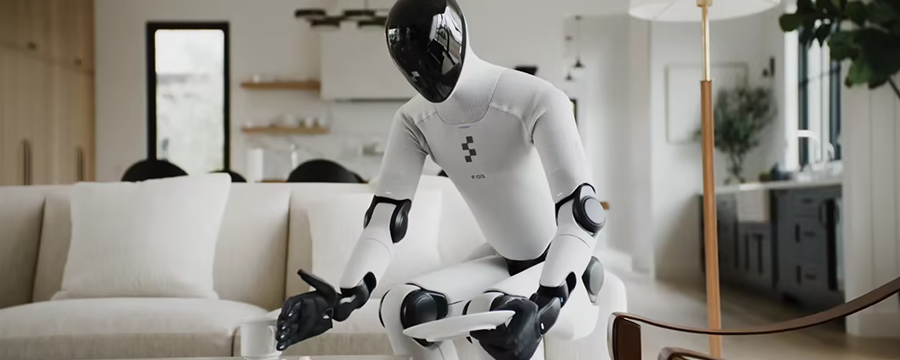 Figure AI
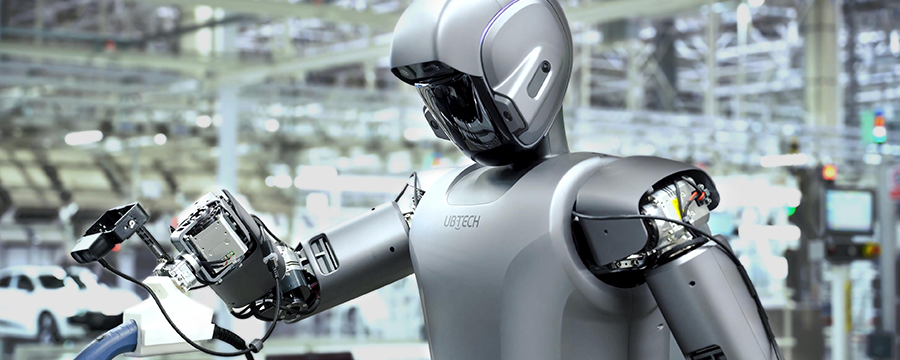 UBTECH