Chinese humanoid robot startup LimX Dynamics is exploring U.S. business collaborations and holding talks with international investors as it pushes to expand globally.
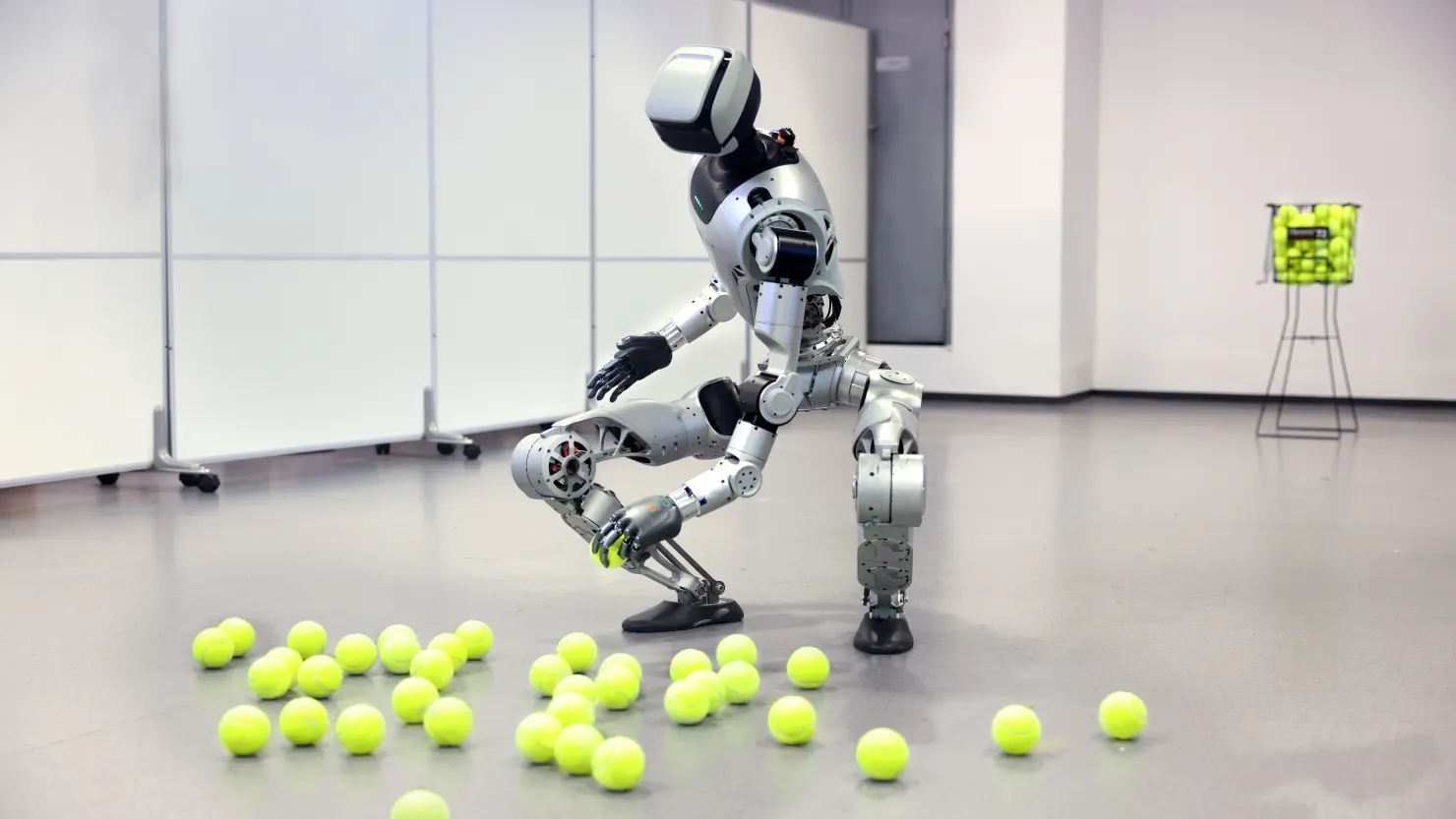
The Shenzhen-based company recently showcased its humanoid robot at CES in Las Vegas. LimX plans to enter overseas markets through local partners and investors, with the Middle East first on its roadmap. The startup aims to start shipping humanoids to the region this year and has secured its first foreign backer there, Zhang said.
He declined to disclose details of the investors or the size of an ongoing funding round, which the company said would multiply its valuation from its Series A round. LimX has raised $69.31 million as of July 2025, according to PitchBook, with backers including Alibaba, JD.com and Lenovo. Zhang declined to comment on IPO plans.
“More than money, I’m focused on local partnerships,” Zhang said, adding that he plans to speak with more international investors in the coming months and sees potential in Europe’s large but fragmented market.
LimX began delivering its full-sized Oli humanoid several months ago. The base model costs 158,000 yuan ($22,660) and uses only LimX-made applications; a developer version that allows third-party functions costs 290,000 yuan.
Zhang, a former tenured professor in electrical and computer engineering at Ohio State University who founded LimX in 2022, said he wants the company to lead in underlying technology rather than merely commercialize existing ideas.
“We don’t think it has to be that the U.S. leads and China follows,” he said.
This year, LimX aims to improve voice commands and reduce reliance on remote controls that underpin many robot demos, using agentic AI that can make a chain of decisions autonomously. Earlier this month, it announced an agentic AI “operating system” called COSA, designed to let robots adjust body motion in real time, such as handling tennis balls.
Under a three-year plan, LimX aims to deliver several thousand humanoids to the Middle East, mainly for research and development and to build case studies for services.
Zhang said rapid industry advances mean humanoids could work alongside humans within five to 10 years, and could be deployed worldwide if plans proceed.




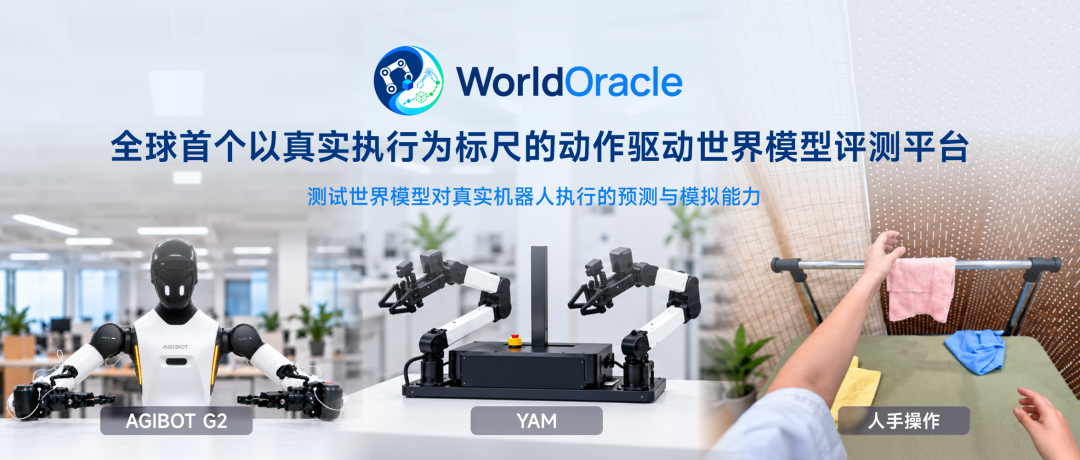
 AGIBOT
 Figure AI
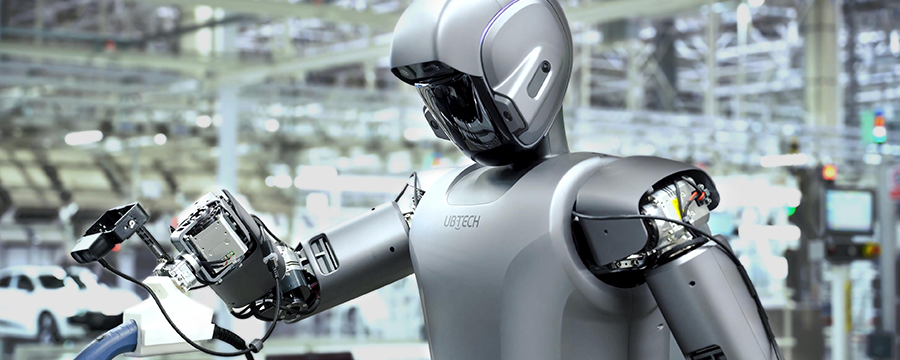 UBTECH