Figure AI founder and CEO Brett Adcock said the humanoid robot market could eventually reach total demand of about 20 billion units, as the company accelerates plans to put robots into homes and scale production, according to a recent in-depth interview titled “The Company Outcompeting China and Tesla in Robotics (Figure AI).”
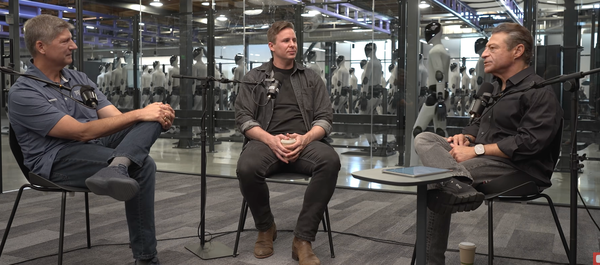
Adcock said China and the broader robotics industry are competitive forces Figure must confront. He said the San Francisco Bay Area is the best place to develop general-purpose robotics technology, with Shenzhen possibly ranking second. However, he said some robots launched by Unitree and other companies are small, limited in function and lack dexterous hands. Many Chinese companies focus on motion scenarios such as dancing, while Figure aims to give robots generalization capabilities and stable, long-duration operation in zero-shot environments, he said.
Adcock said Figure 4 could become the “first-generation iPhone moment” for humanoid robots and will be the company’s largest upgrade between product generations. Figure has developed dexterous hands for nearly two years and completed seven iterations. The new generation will focus on lowering costs, improving robot capabilities and further enhancing dexterous hand performance.
Figure is pursuing vertical integration of core components and its supply chain. The company is continuing to develop dexterous hands and new head and face designs. It is also gradually moving different components and other supply-chain links out of China after tariff pressure once reached as high as 270%.
Adcock said Figure has moved from tabletop manipulation to full-body neural-network control. It took about a year to move from early tabletop operation to a system controlled by neural networks that allows autonomous movement, he said. Full-body control requires models to understand the relationship among knee, hip and foot movements and finger and hand movements, so these parts must be trained together.
Figure is expanding model training, with compute emerging as a key bottleneck. Adcock said the biggest shortages for robot “brains” are data and compute. Most of Figure’s compute is used for model training, and the company is continuing to expand compute capacity. Its annual compute spending has reached nine figures in dollars. Adcock also said that as of September 2026, global compute supply had been exhausted.
Figure is accelerating efforts to bring humanoid robots into homes. Adcock said robots must be able to enter a home, talk with people and independently complete useful work. Figure is training larger models to improve autonomy and expects to put Figure robots into home scenarios within six months at the latest. Figure is also building a more complete safety system, including physical and semantic safety, cybersecurity and system-safety engineering, and is drafting more fundamental safety rules.
Figure hopes a rental model will lower the barrier to home robot adoption. Adcock said monthly rent for the home market needs to be around $300 to $500. Under a rental model, users could replace robots every few years and continue using updated products.
Adcock divides the humanoid robot race into four stages: first, build truly excellent hardware with practical functions; second, establish an AI solution that allows robots to complete tasks autonomously; third, scale intelligence by relying on more data and compute to improve models; and fourth, scale robots to achieve mass production and deployment.
Figure’s campus already has more humanoid robots than human employees. There are more than 1,000 robots on the campus. Each has real-time speech-to-speech interaction capabilities, can communicate with people and autonomously complete various tasks on campus.
Adcock expects robots to gradually enter enterprises and homes and take on more real-world work. As capabilities improve, they could change corporate production methods and the way the socioeconomic system operates, he said.


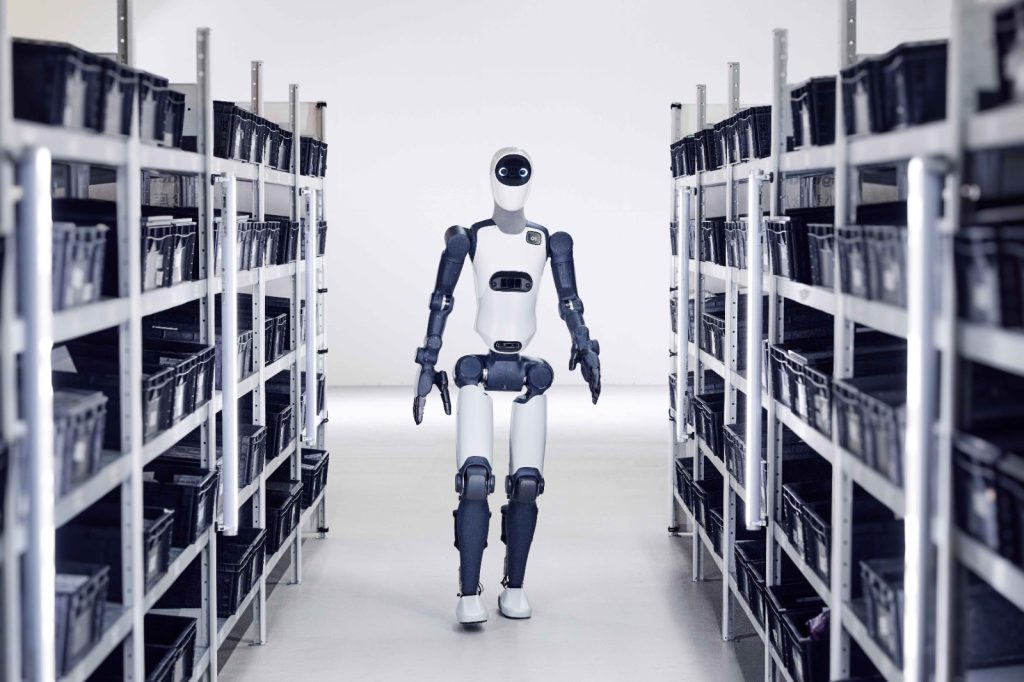
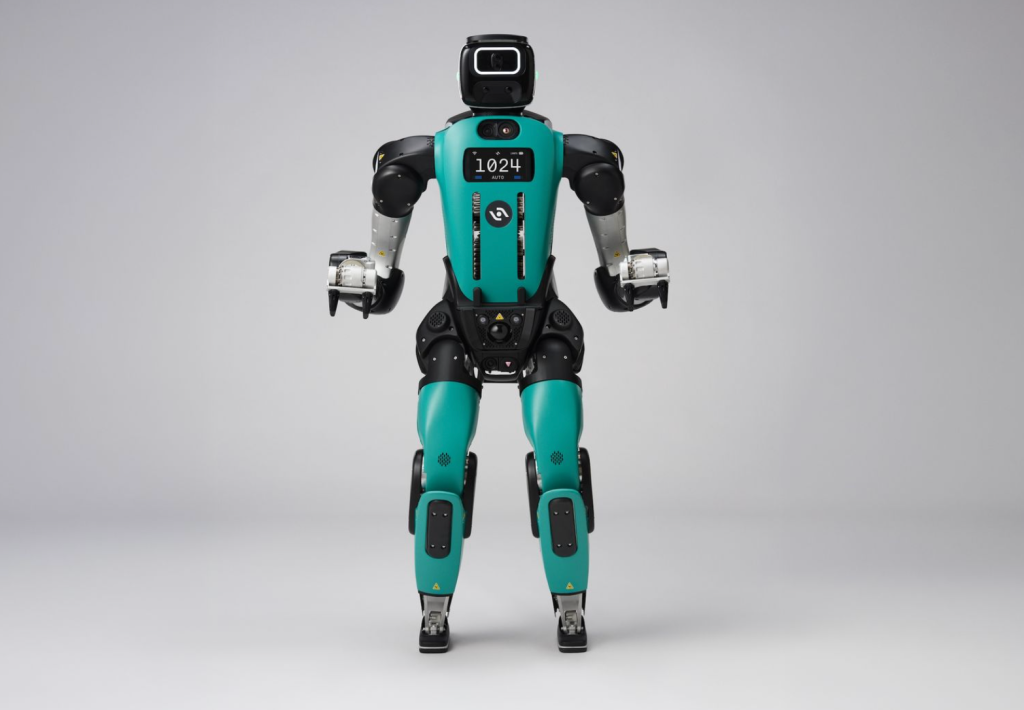
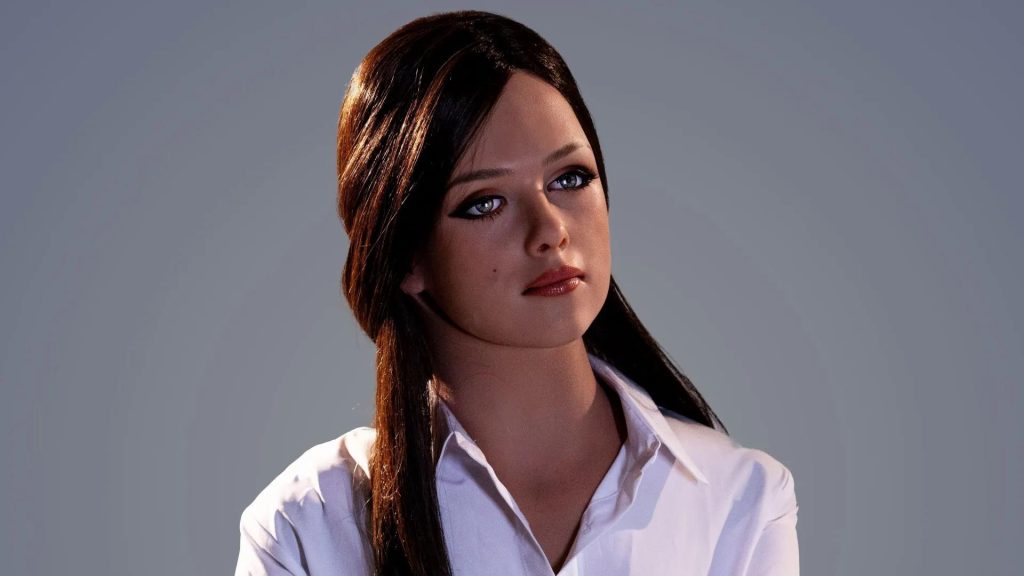
 AGIBOT
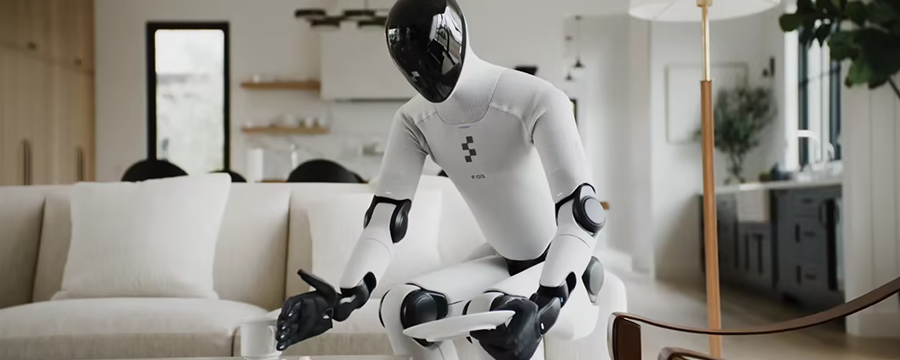 Figure AI
 UBTECH