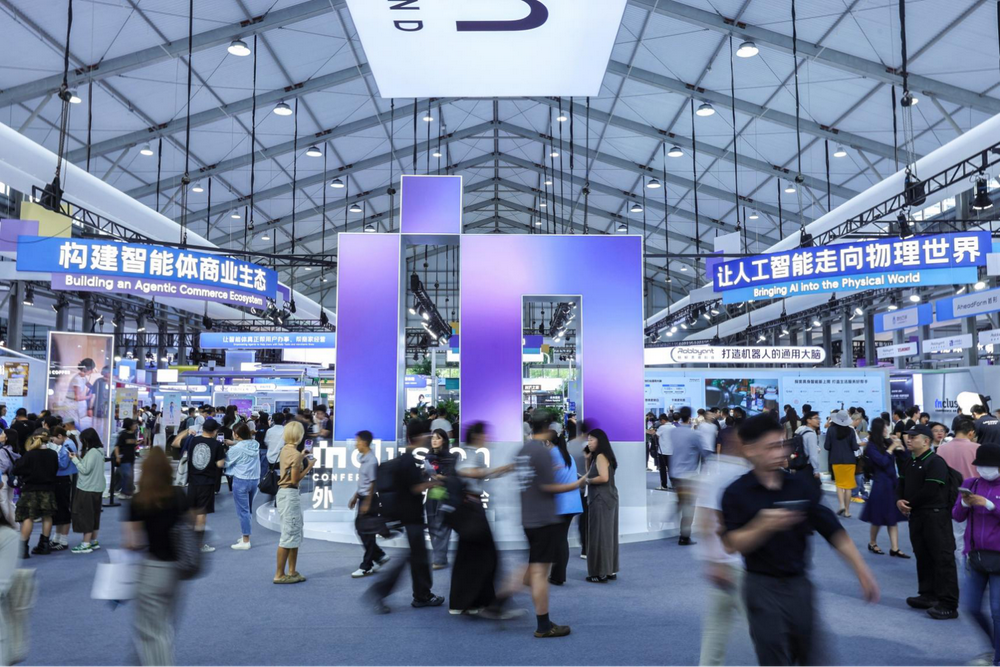
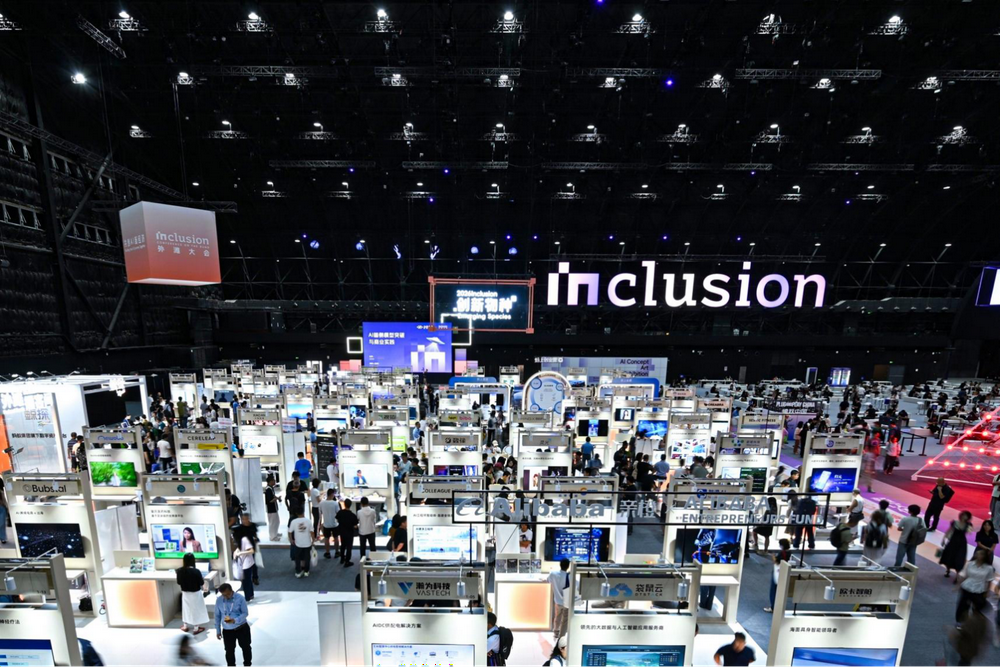
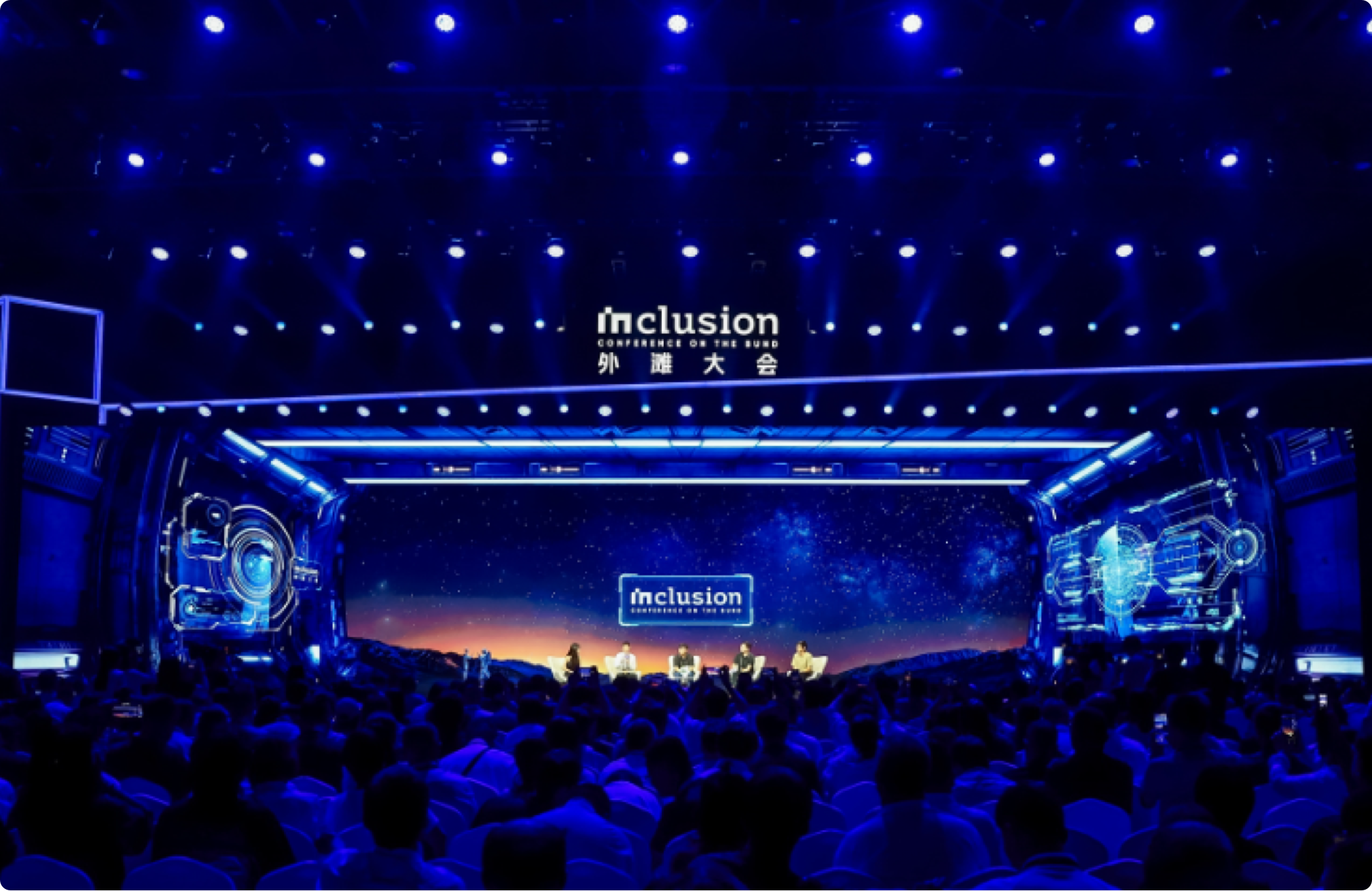
The 2026 Inclusion Bund Summit closed on Friday after a four-day run in Shanghai’s Huangpu World Expo Park, showcasing AI’s accelerated shift from technological iteration to large-scale commercial implementation, industrial empowerment and inclusive public application. Bringing together more than 600 scholars, scientists, entrepreneurs and investors, alongside over 300 global tech exhibitors, the event consolidated industry consensus on AI-driven real economic growth amid evolving industrial and market landscapes.
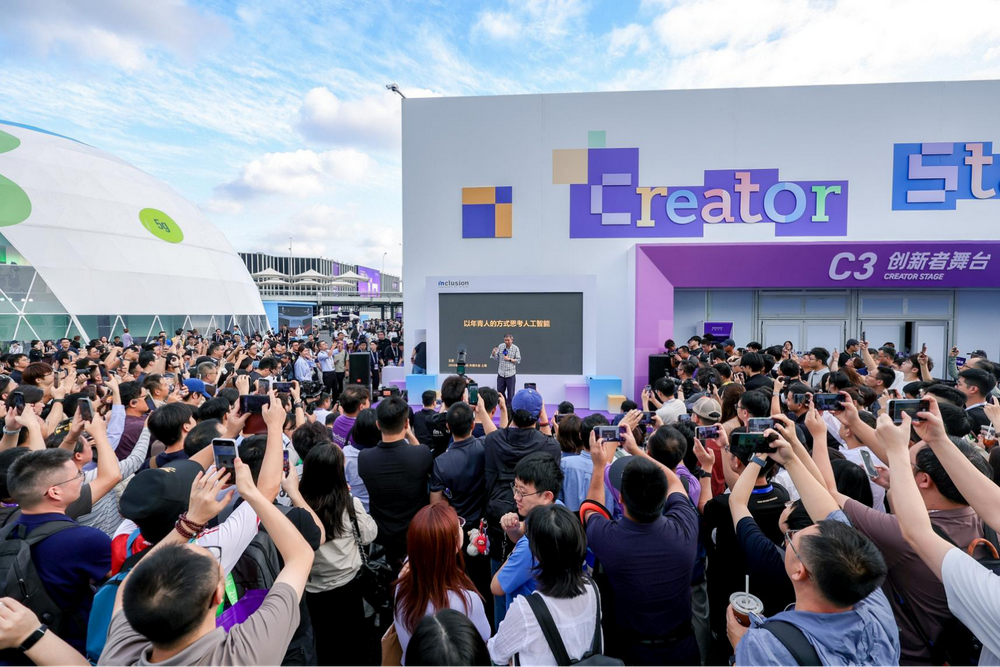
Hosted under the theme “Building the AI Economy Together”, the summit featured a 15,000-square-meter tech exhibition and a full lineup of industrial activities, including thematic forums, Developer Day, Innovators’ Stage, tech competitions, a venture capital meetup, a specialized job fair and the inaugural Inclusion AI Art Festival. Over 50 cutting-edge technologies, products and applications made their global debut during the event. The summit drew participants from more than 50 countries and regions, recording 78,000 on-site visits with 20% of attendees from the post-2000 generation, plus 23 million online live views worldwide.
Top economists delivered forward-looking judgments on AI’s economic value at the event. Nobel laureates Thomas Sargent and Philippe Aghion analyzed AI’s growth-driven logic, with Aghion noting the technology could boost annual productivity growth by 1.08 percentage points, though sustainable gains rely on improved market competition, education systems and employment adaptation. Chinese academics and senior executives from Alibaba, Stripe and SenseTime further discussed core challenges balancing AI productivity growth with employment stability, income distribution and effective industrial transformation.
A prominent highlight of this year’s summit was the falling barriers to technological innovation and entrepreneurship, with organizers singling out “one-person companies” as a key emerging force in the AI era. The summit’s AI coding competitions attracted tens of thousands of participants supported by over a dozen domestic AI development platforms, with teenagers accounting for 70% of contestants and the youngest participant aged just six. Meanwhile, the VC Meetup assembled global investment institutions and young investors, connecting 120 high-potential sci-tech startups with capital resources via Ant Group’s investment ecosystem, the Alibaba Hong Kong Entrepreneurs Fund and Plug and Play China.
AI achieved comprehensive landing in consumer life and public services during the summit’s display. Intelligent agents now independently handle daily scenarios including coffee ordering, ride-hailing, hotel reservations, home cleaning, veterinary inquiries and event planning. Alipay’s Abao AI has integrated over 10,000 ride-hailing, food delivery, tourism and public service functions across mobile phones, vehicles, smart glasses and large-model applications. Ant Afu, China’s professional AI medical workstation, provides medical knowledge support and digital twin-assisted services for hospital consultation, patient management and academic research, popularizing professional medical resources for grassroots users.
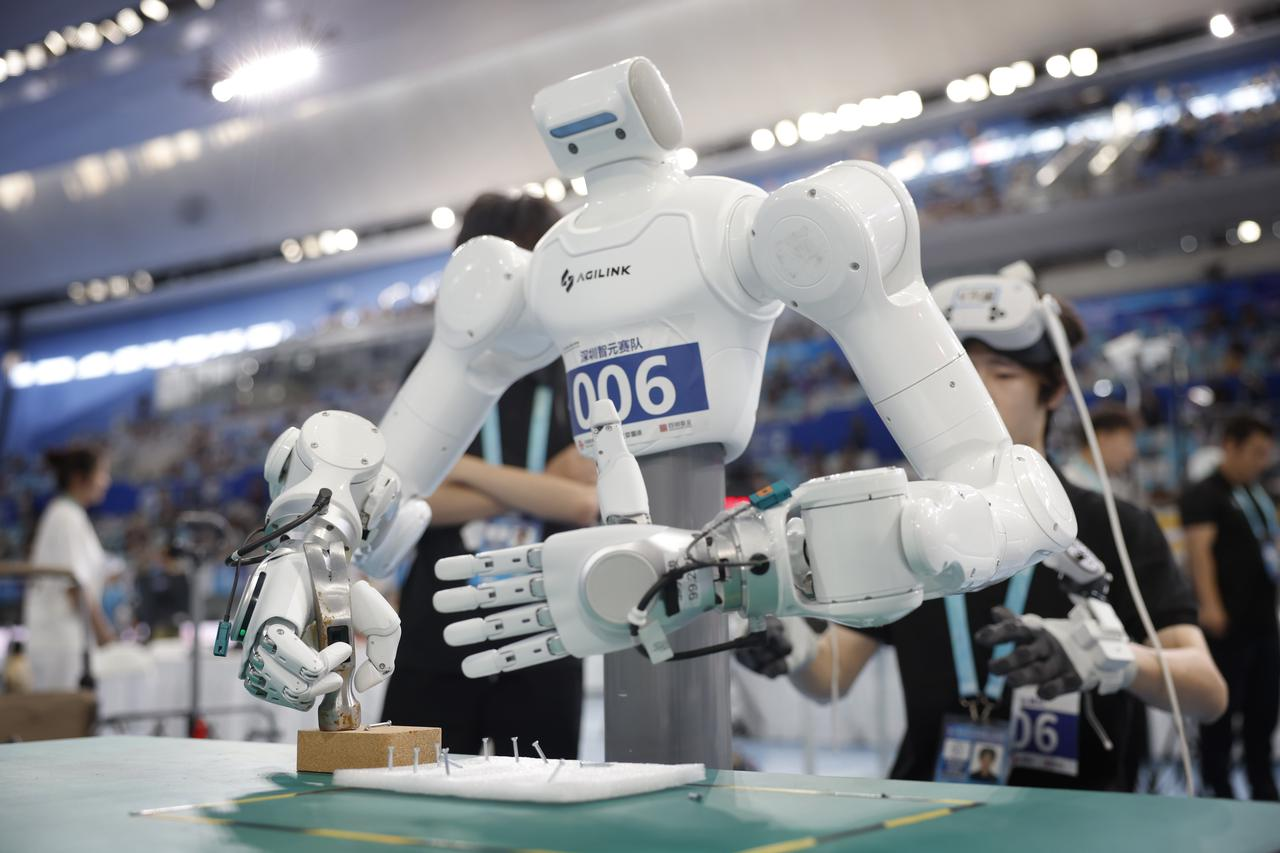
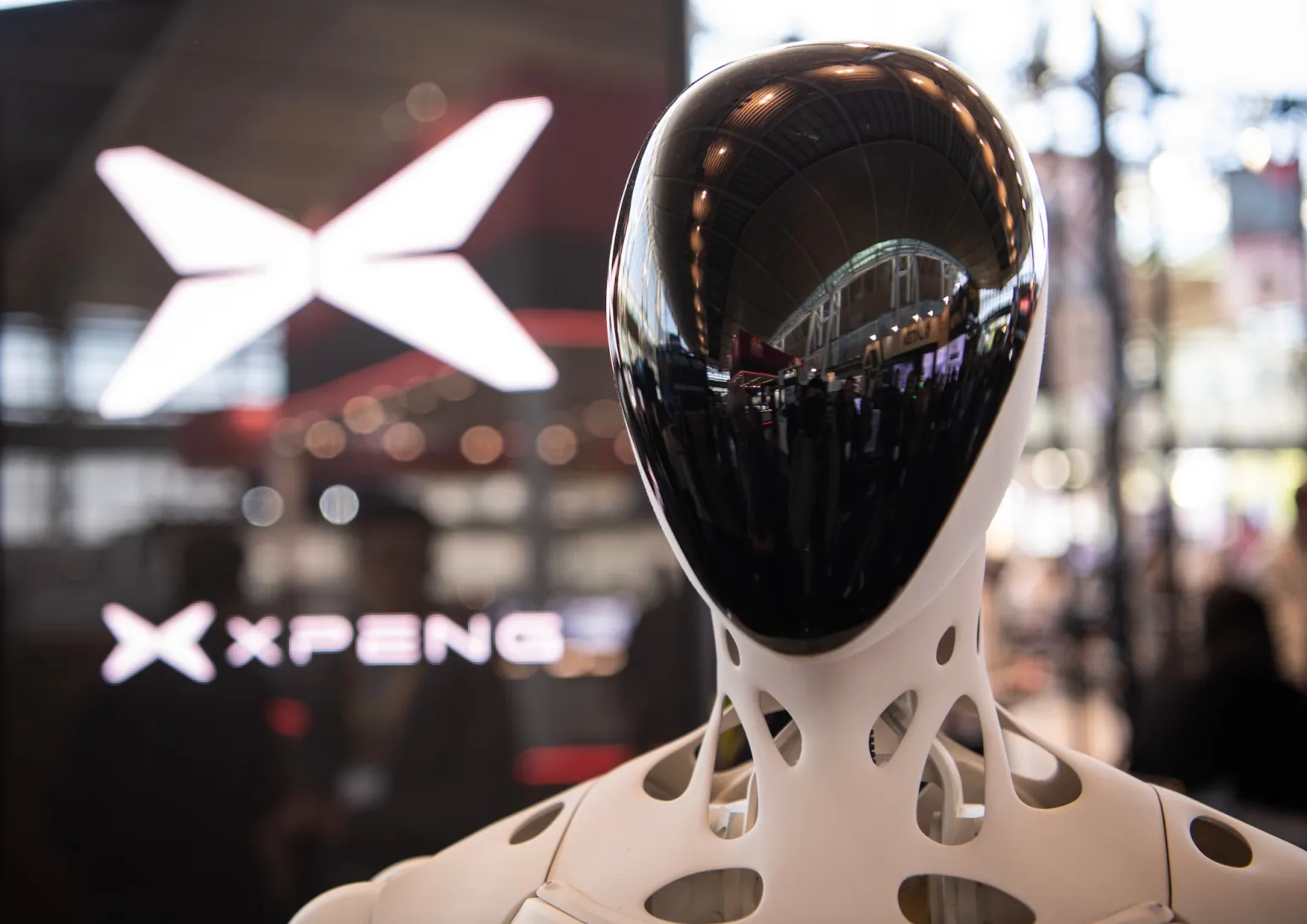
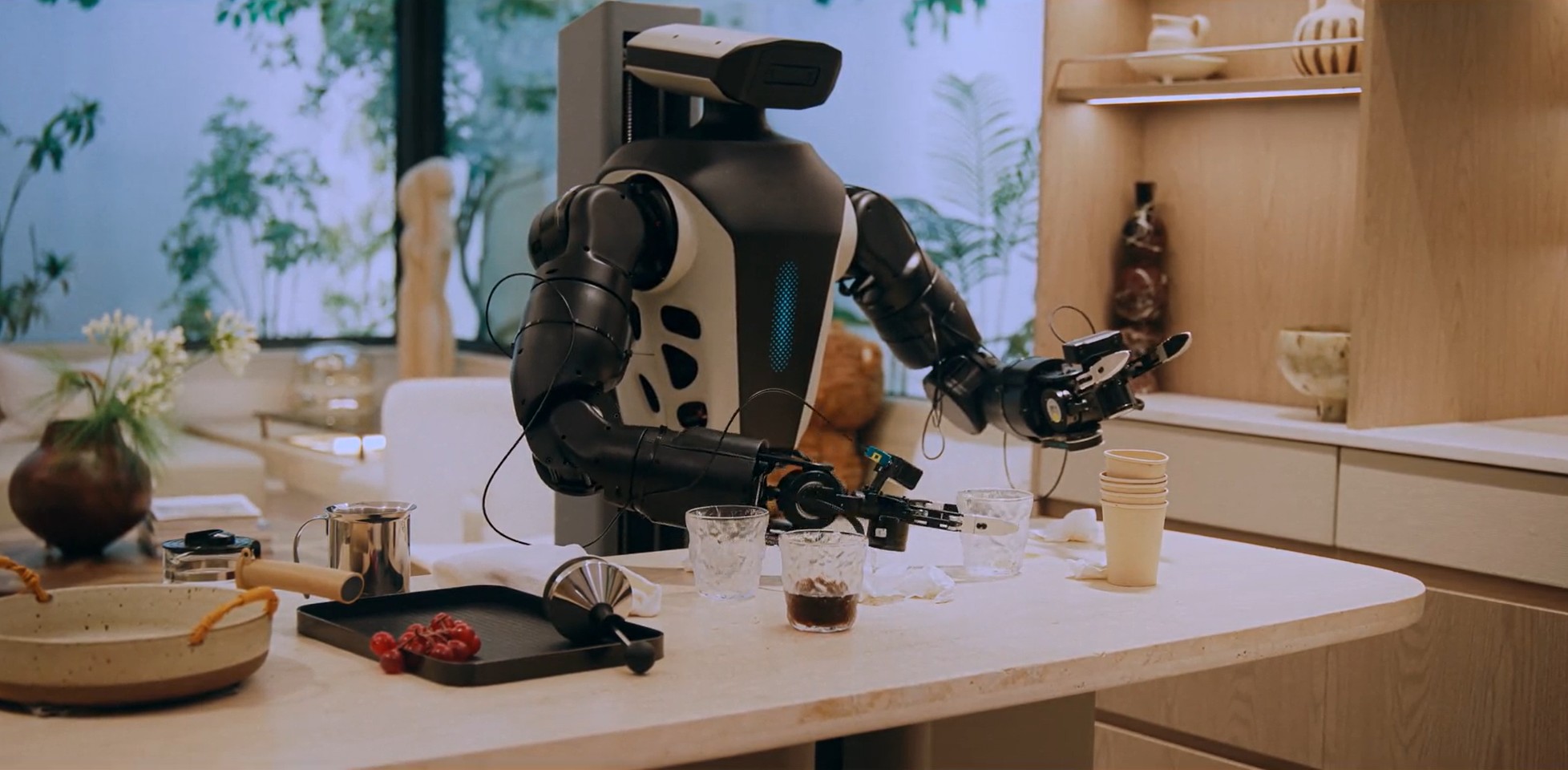
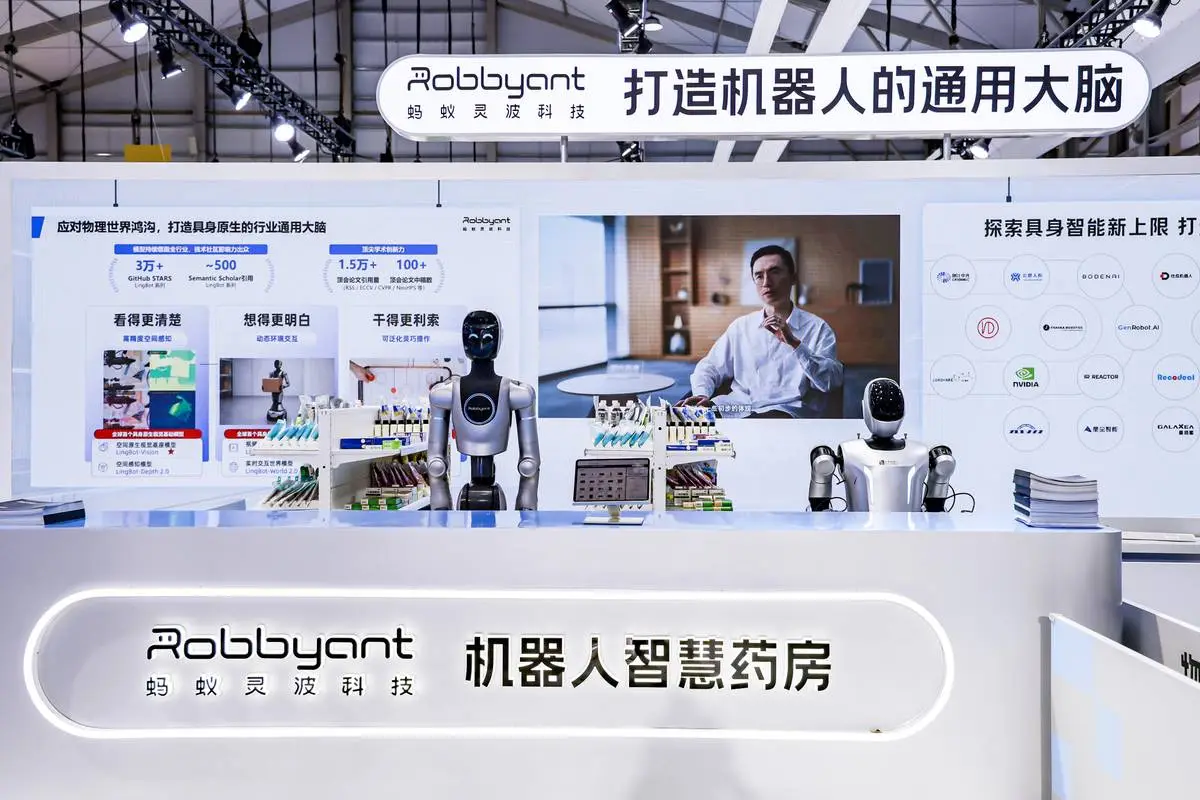
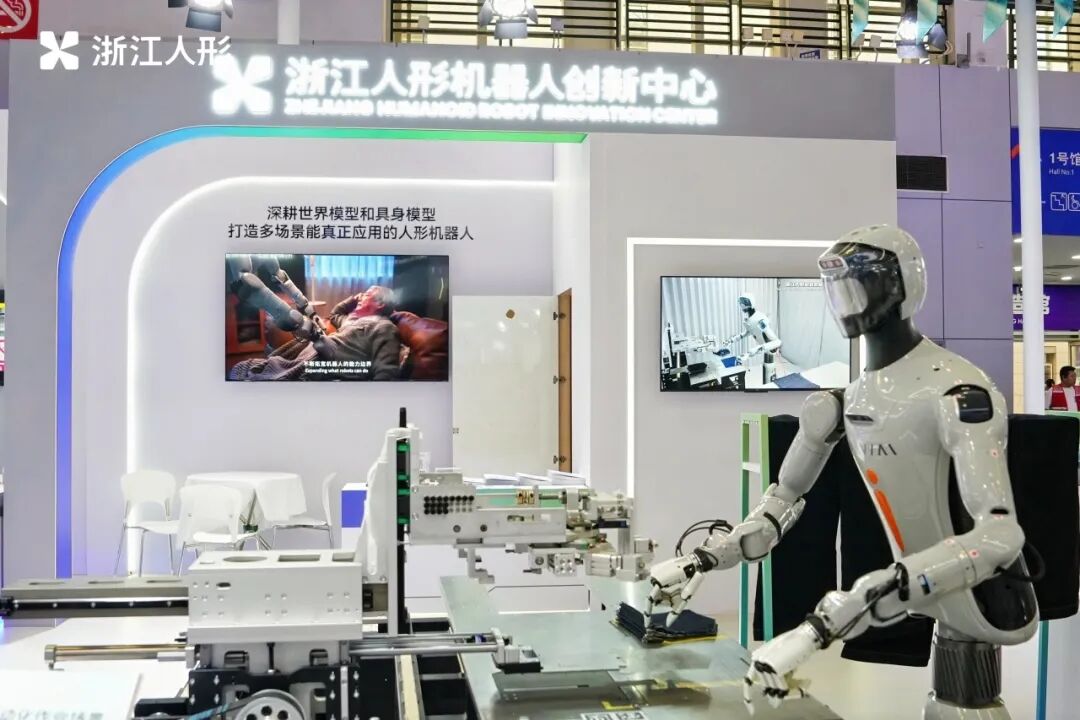
Embodied AI emerged as a core industrial track, with more than 40 leading enterprises including Unitree Robotics, AgiBot, Sudo and Lingbo Technology demonstrating robotic solutions as new industrial workforce assets. Ant Lingbo’s universal robotic brain enables pharmacy robots to complete order receiving, drug identification, picking and delivery in narrow 80-centimeter aisles, a solution already deployed in Guoda Drugstores with no shelf renovation required. Fudan University-developed wheeled dual-arm robots support precise operations for household appliance assembly and component installation. Scenario-specific robotic applications were fully displayed, including Keenon’s laundry service robots, Kepler’s coffee shop service robots, CelerityAI and Rolling AI’s inspection robots for high-risk, GPS-denied environments, and Hypershell’s exoskeletons for walking and climbing assistance.
The summit also emphasized human-centric tech development and industrial talent cultivation. The debut Inclusion AI Art Festival staged an AI concert, conceptual art exhibitions and digital video screenings, gathering over 20 digital artists and 100 AI-generated works. Its Sept 11 offline concert featured Yuri, China’s first officially certified AI virtual idol, marking the project’s global live “AI-human co-creation” debut. A specialized tech job fair launched for the first time gathered 55 enterprises, offering over 1,500 posts covering large models, AI applications, intelligent agents, embodied intelligence, internet and fintech, attracting more than 7,000 resumes with 70% for AI-related positions.
Beyond technological iteration and commercial expansion, the summit continued to focus on balanced development of technology, humanity and ecology. Forums extensively covered AI investment logic, employment restructuring, educational reform, green computing and social governance. The event also launched green tech initiatives, attracting 200 global innovative environmental projects to participate in its first green technology competition, exploring sustainable development paths for the AI industry.
As the 2026 Bund Summit concluded, the industry’s exploration of AI’s deeper integration into economy, industry, daily life and ecological governance continues to advance worldwide.



 the 2026 Bund Summit