Chinese robot maker AGIBOT, unveiled a new metric for measuring the value of physical AI, alongside new hardware, models and an open-source operating system at its Innovation Day event in Shanghai on Oct. 29.
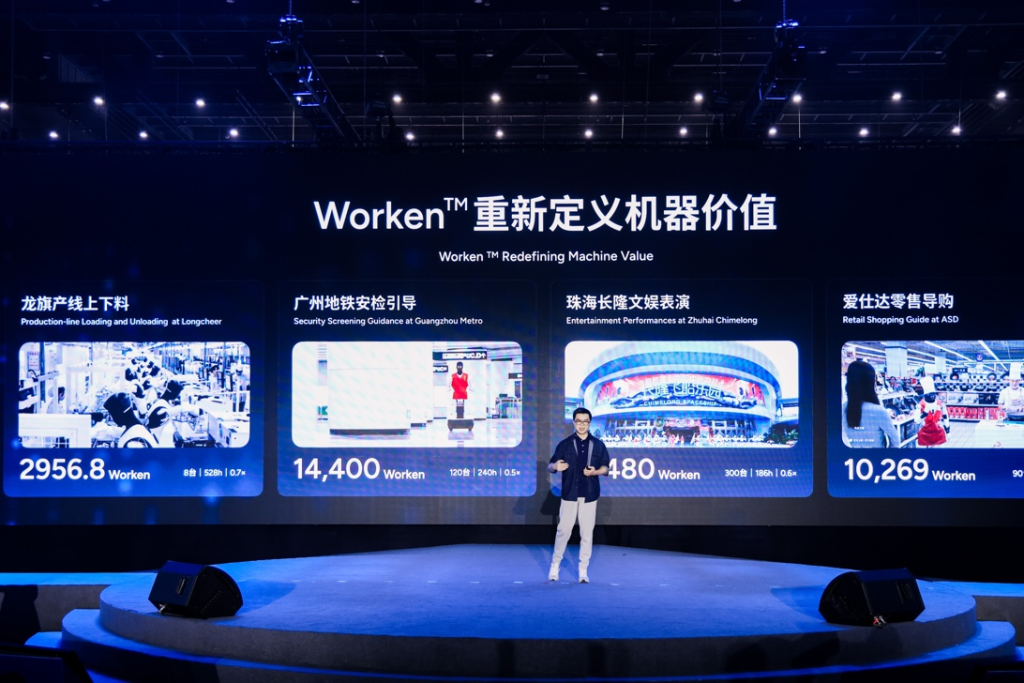
Co-founder, President and CTO Peng Zhihui introduced Worken, or effective intelligent work hours, defined as active robots multiplied by autonomous working hours and an output efficiency ratio. The company said the metric aims to measure not only how many robots are produced, but whether they can autonomously and continuously perform valuable work and how much tangible value they actually deliver.
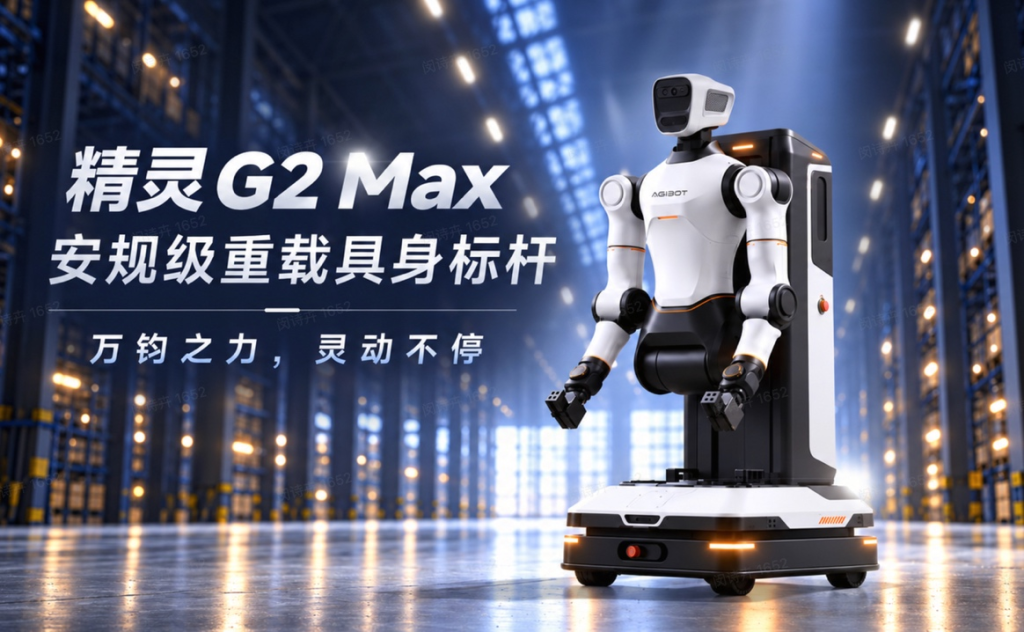
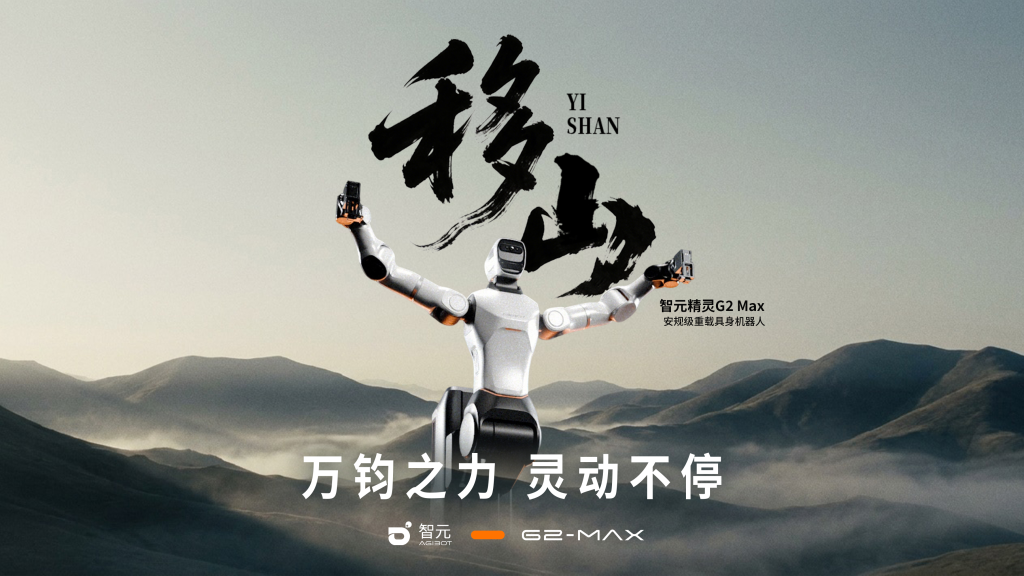
AGIBOT said it released the world’s first subcutaneous joint liquid-cooling system, a new lineup of dexterous hands, the MEgo Glove tactile data collection glove, and the safety-compliant heavy-duty embodied robot Genie G2 Max.
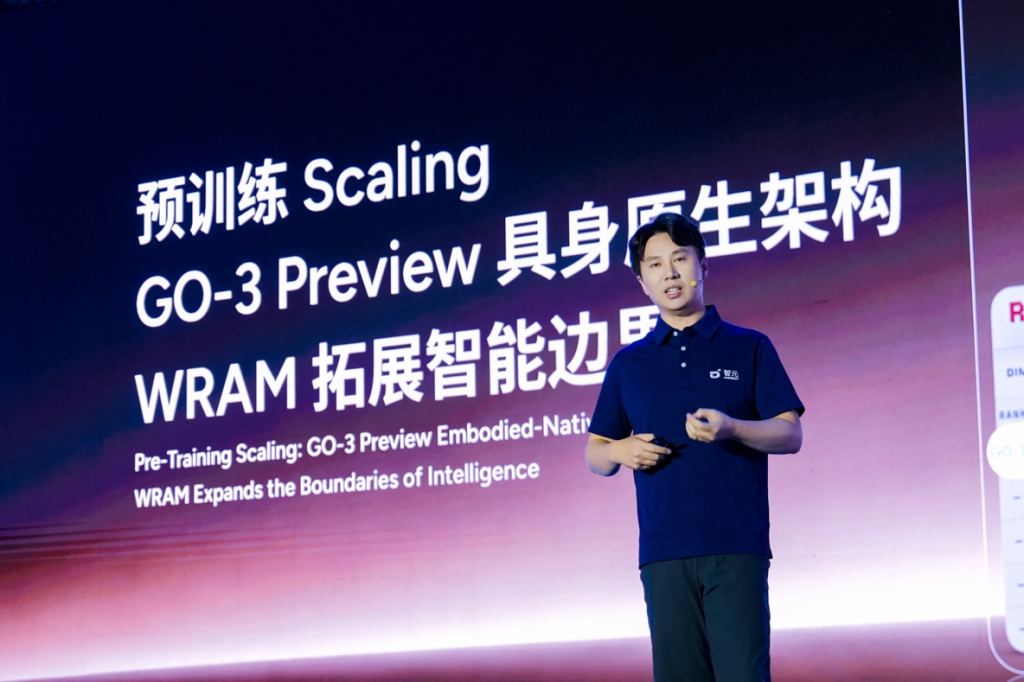
On the software front, AGIBOT launched GO-3 Preview, a new embodied foundation model slated for open-sourcing by the end of the year. The company said the model ranked first on three embodied intelligence benchmarks: RoboDojo, RoboTwin and RoboColiseum. It also rolled out WITA Omni 1.0, described as the industry’s first native multimodal interaction model for embodied intelligence, integrating vision, hearing, language, facial expressions and body movements. AGIBOT said the model topped multiple authoritative embodied interaction benchmark rankings.
AGIBOT also released Lingqu OS 1.0, billed as the first native operating system built for embodied intelligence, and announced plans to open-source it and donate the codebase to the OpenAtom Foundation. The firm said it will collaborate with the foundation to build an open-source humanoid robot community in China spanning operating systems, datasets, models and toolchains.
The event also saw the release of the 2026 Embodied Intelligence Industry Innovation Report, jointly compiled by the China Economic Information Service of Xinhua News Agency and the Shanghai Industrial Innovation Center of CAICT. AGIBOT’s Worken metric and related deployment cases were featured in the report as examples of leading corporate practices.
Peng noted the physical AI industry needs to undergo five transitions: acquiring a usable body, entering vertical deployment, forming a generalizable embodied foundation model, enabling collective evolution of robots, and ultimately endowing intelligent systems with self-lifting capability. He added that high-quality robots capable of large-scale deployment will grow increasingly important.

 AGIBOT
 Figure AI
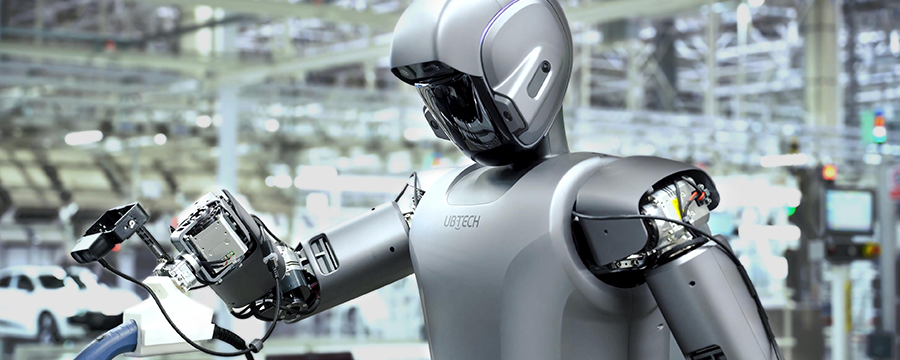 UBTECH