Chinese robotics firms LEJU Robot and Heyman have jointly launched a scene-oriented solution centred on a general-purpose humanoid robot body and a multi-fingered dexterous hand, aiming to eliminate the need for custom end-effector swaps across diverse industrial tasks. The system addresses common pain points such as trade-offs between payload and precision, low gesture-development efficiency, and difficult redeployment, the companies said.
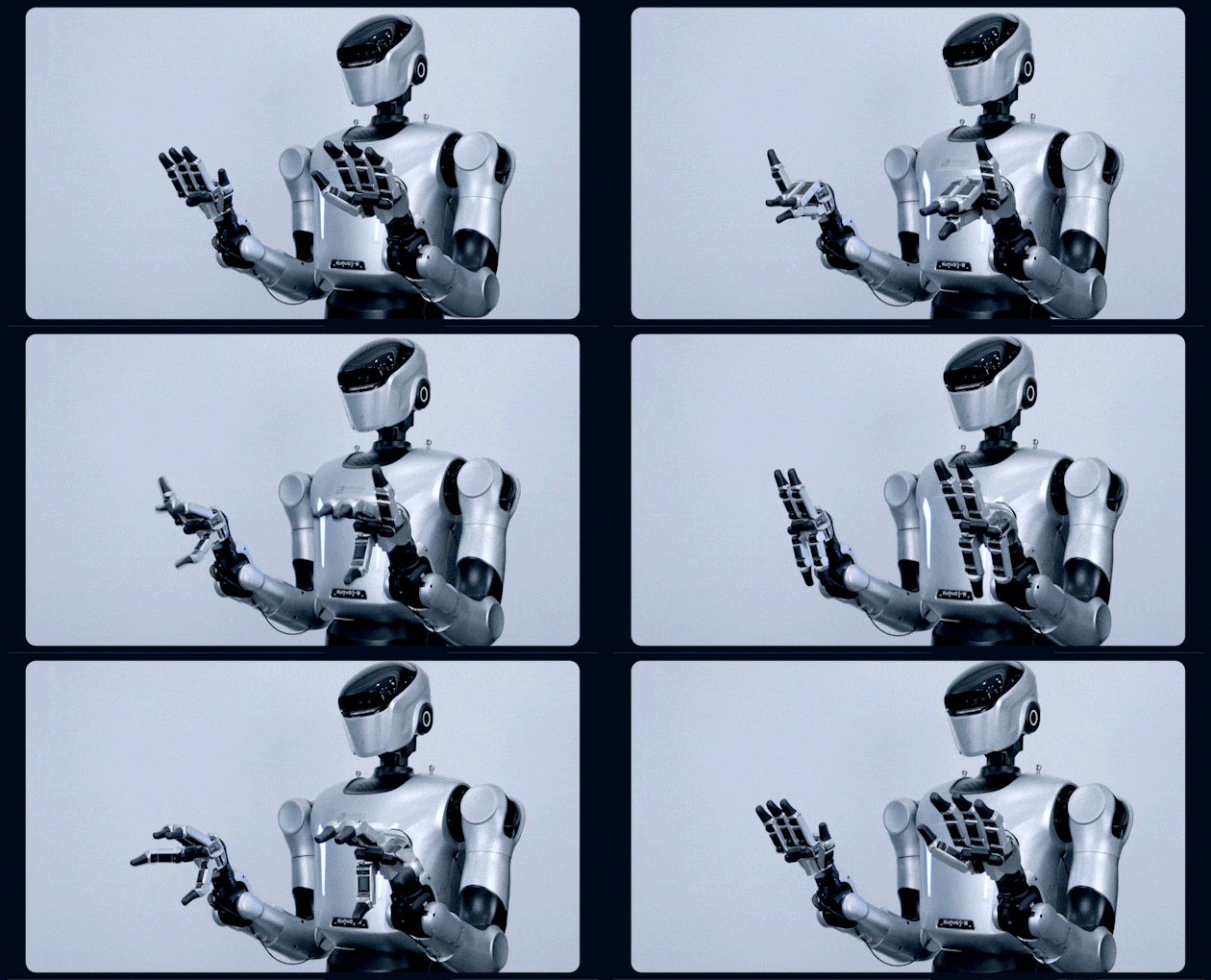
The integrated dexterous hand features a variable-configuration design that supports seven plus grip modes – including two-finger pinch, internal expansion, enveloping grasp, and two-handed hold – on the same hardware. It delivers a payload of at least 24 kg and a repeated positioning accuracy of ≤0.03 mm, outperforming the industry norm of 0.2 mm. This allows a single manipulator to handle both heavy material and fine-part operations. Applications validated include parcel sorting (grasping range extended from sub-10 cm boxes to 15 cm), plastic tote stacking and destacking (adapting to both empty and full pallet conditions, overcoming traditional four-finger grippers’ inability to access tight gaps), and machine tending (force-controlled grasping for bulky or irregular items, as well as small-part feeding). The system promises to reduce end-effector adaptation time from weeks or months to hours, and broaden the operational envelope of a single robot.
To speed deployment, the solution includes a custom gesture-editing tool that lets users insert or modify keyframes, adjust entire trajectory sequences, and switch between position and force control modes – described as editing gesture sequences like video clips. Operators can pre-design and save heterogeneous gestures optimised for the robot’s structure, eliminating real-time teleoperation dependency and doubling data-collection efficiency.
LEJU Robot also offer a standardised industrial gesture library, comprising validated grip configurations, keyframe parameters, and complete trajectories, which can be directly invoked or fine-tuned for similar workpieces, reducing new-scene setup from days to hours. The initiative targets the industrial reality where different tasks often require separate end-effector redesign, causing lengthy mechanical cycles and wasteful duplication.
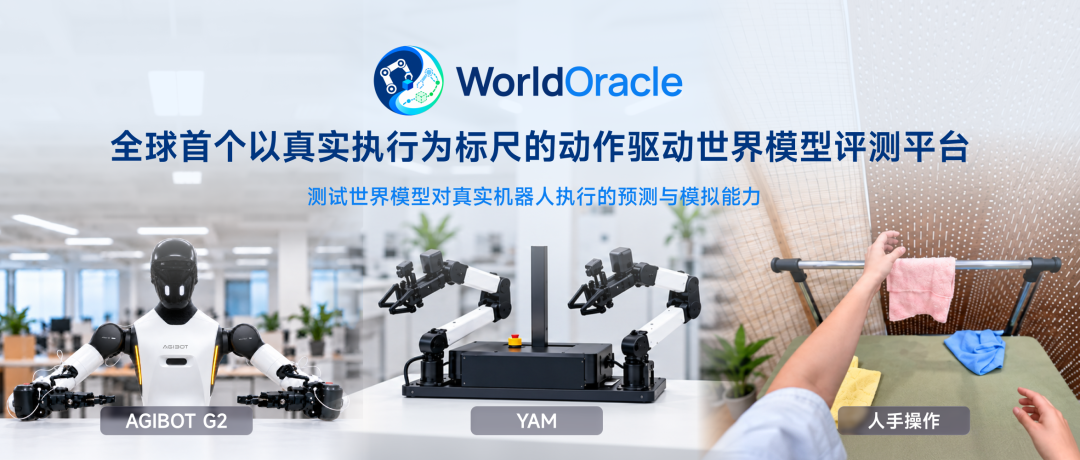

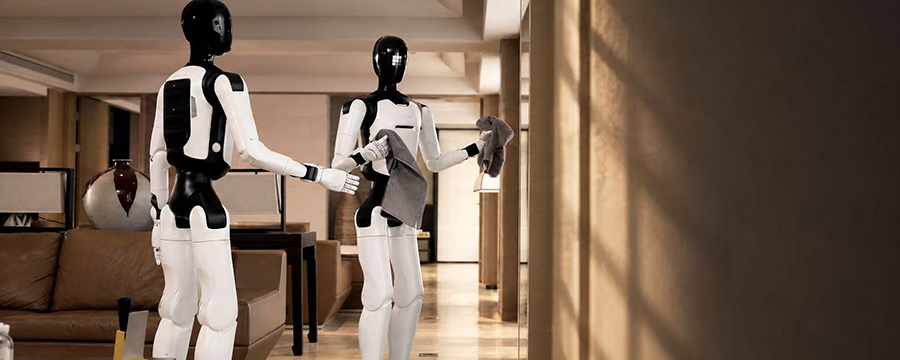 AGIBOT
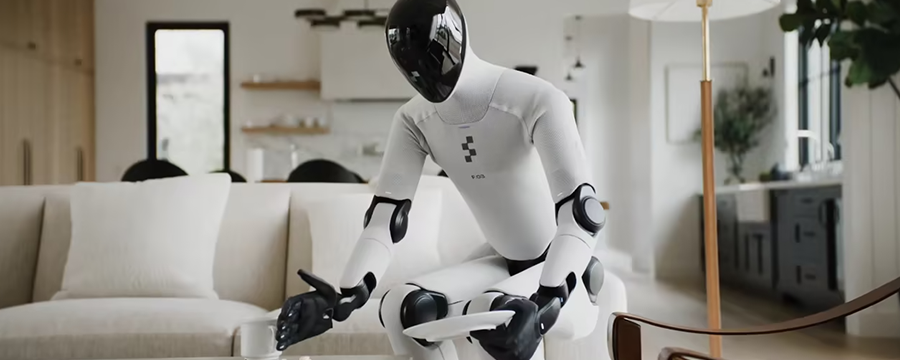 Figure AI
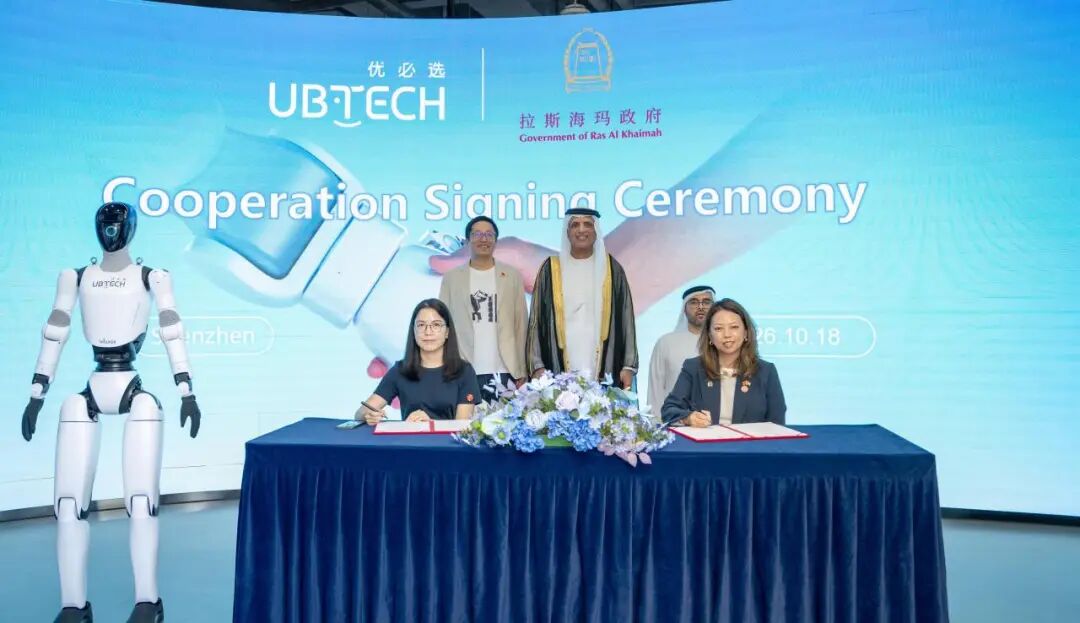
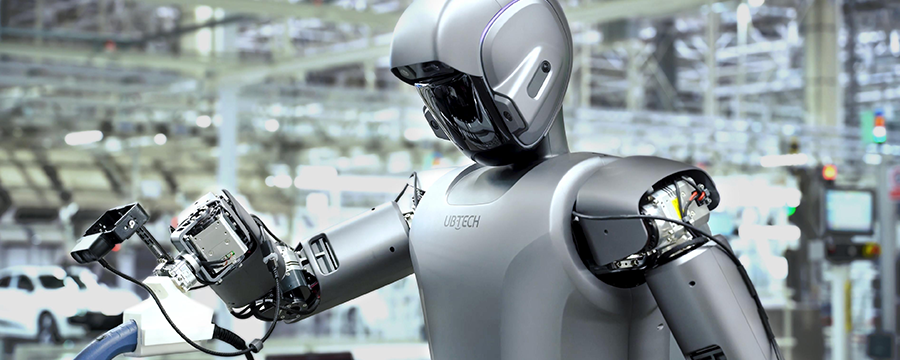 UBTECH