Toyota Motor Corp is launching a sweeping global factory upgrade that will put 400,000 robots to work, including a semi-humanoid model designed to learn tasks alongside humans, as the automaker seeks to build plants where people and machines coexist.
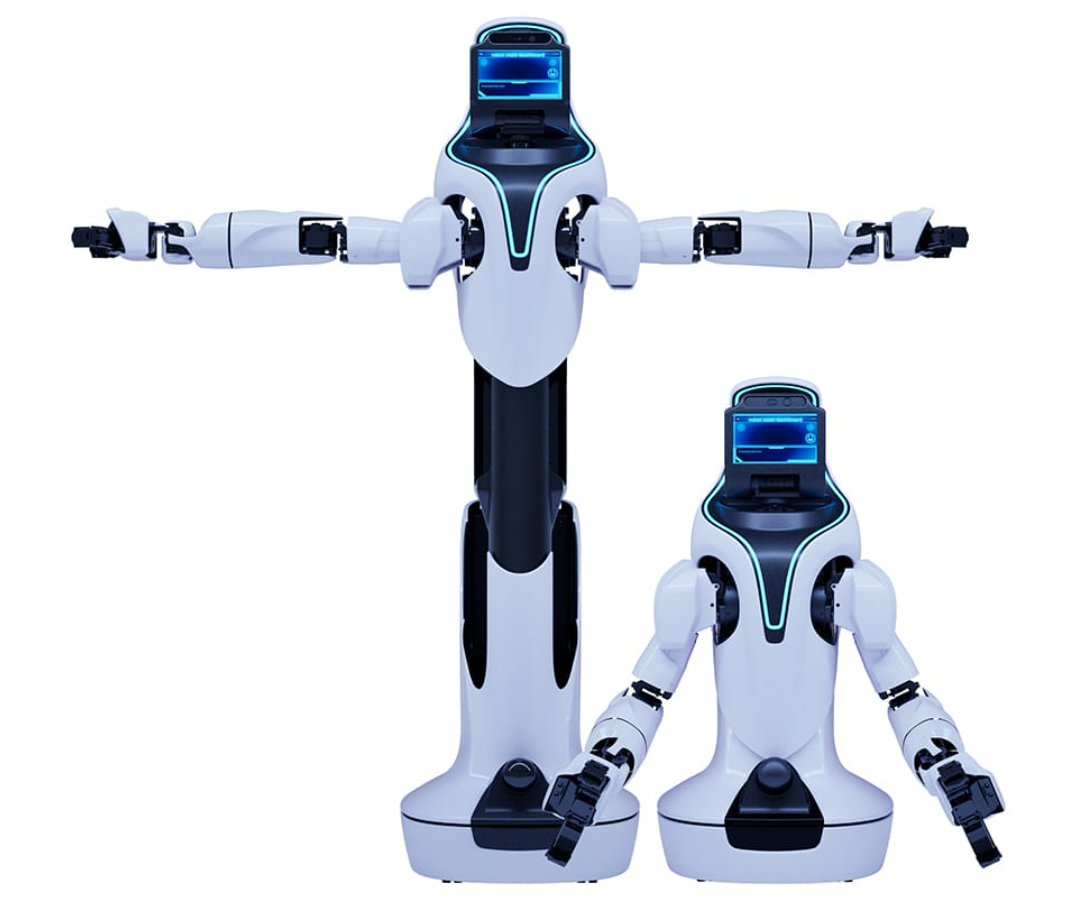
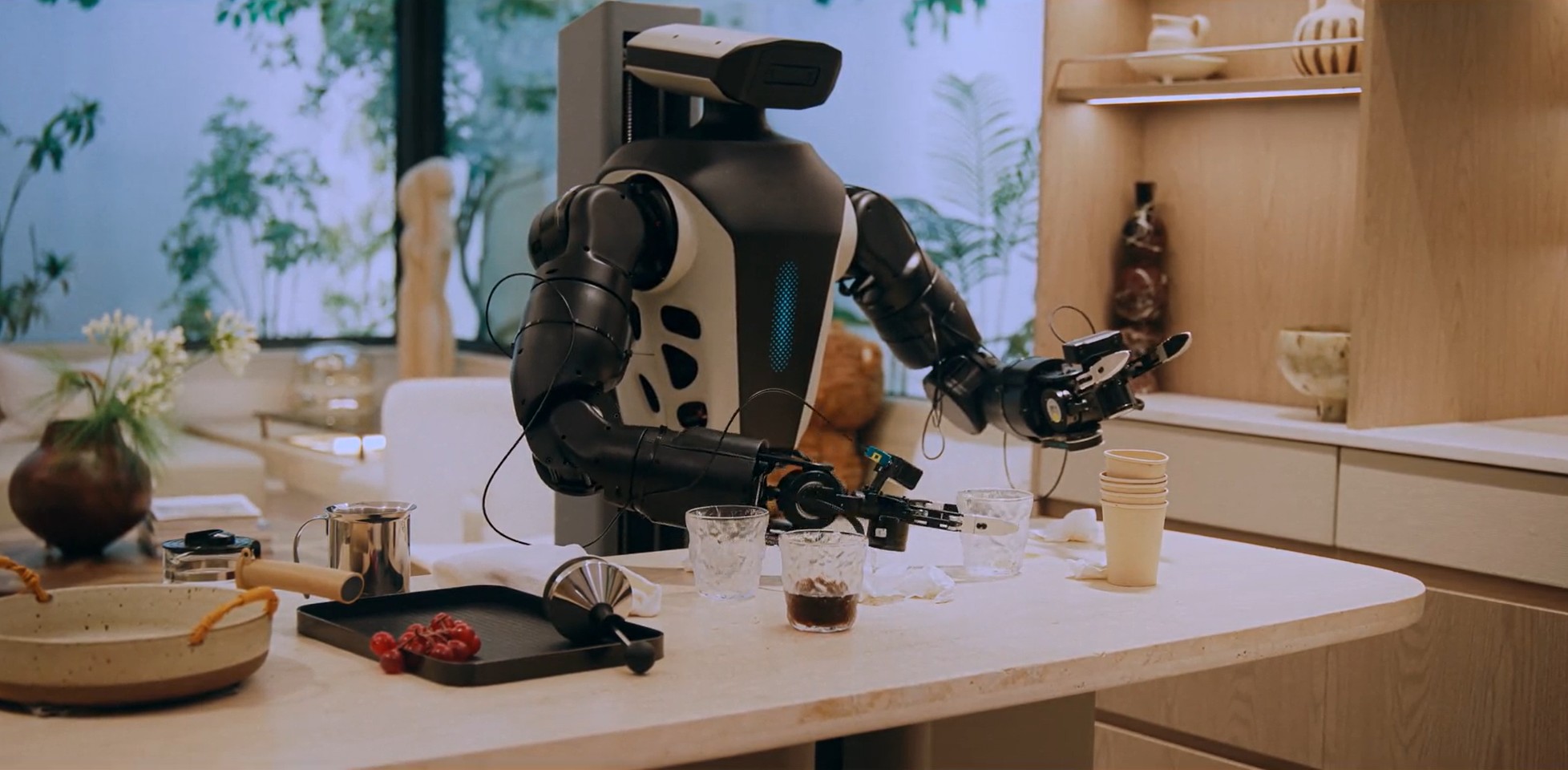
The push includes ELEY, short for Embodied Learning robot for Enhanced Yield, a Toyota-developed semi-humanoid robot. ELEY has two fingers on each robotic hand, weighs about 50 kg, runs on battery or external power and moves on a wheeled base, according to Toyota’s website.
Toyota said ELEY’s joints are designed on the same principles as human joints, with all dimensions based on the average Japanese adult male. The aim is to use large-model-based physical AI to let the robot directly imitate human actions.
Starting in 2028, Toyota and group companies plan to spend 1 trillion yen a year, or about 42.7 billion yuan, to renovate and rebuild global factories. As part of the modernization, Toyota will introduce 150,000 robots at its own plants and deploy 250,000 at group companies’ factories.
Toyota’s latest annual report shows the group had 391,000 employees worldwide as of the end of March, with about 344,000 in its automotive business.
“We want to create a production environment where robots and humans coexist, rather than robots replacing humans,” Toyota Motor Deputy President and Chief Technology Officer Hiroki Nakajima said.
Like global peers, Toyota is exploring how to bring embodied AI robots onto production lines. The robot can autonomously learn fine motor skills, such as moving items from one box to another and folding fabric. Toyota’s European headquarters held an investor event in mid-September where ELEY demonstrated folding T-shirts.
Toyota said that after two weeks and 1,500 practice runs, ELEY was able to fold T-shirts with near 100% accuracy.
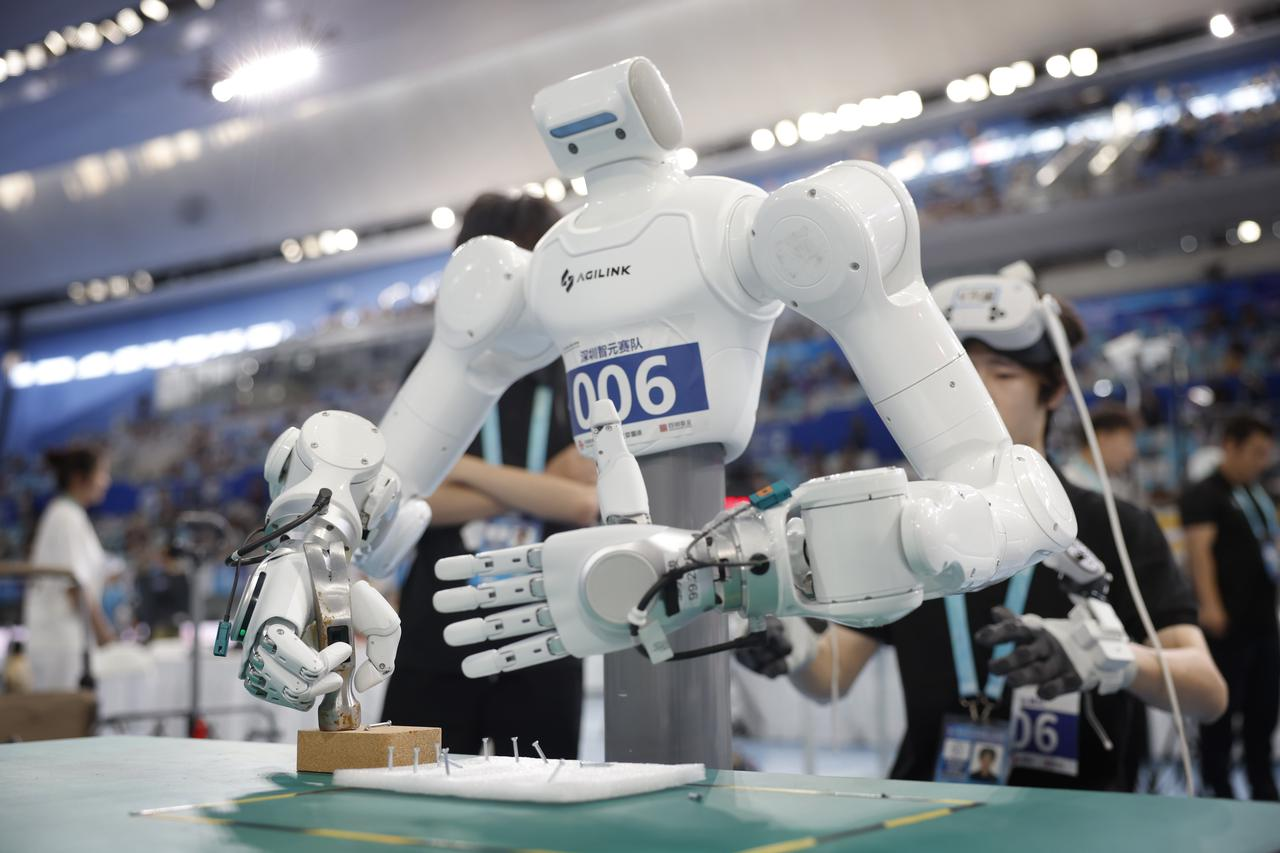
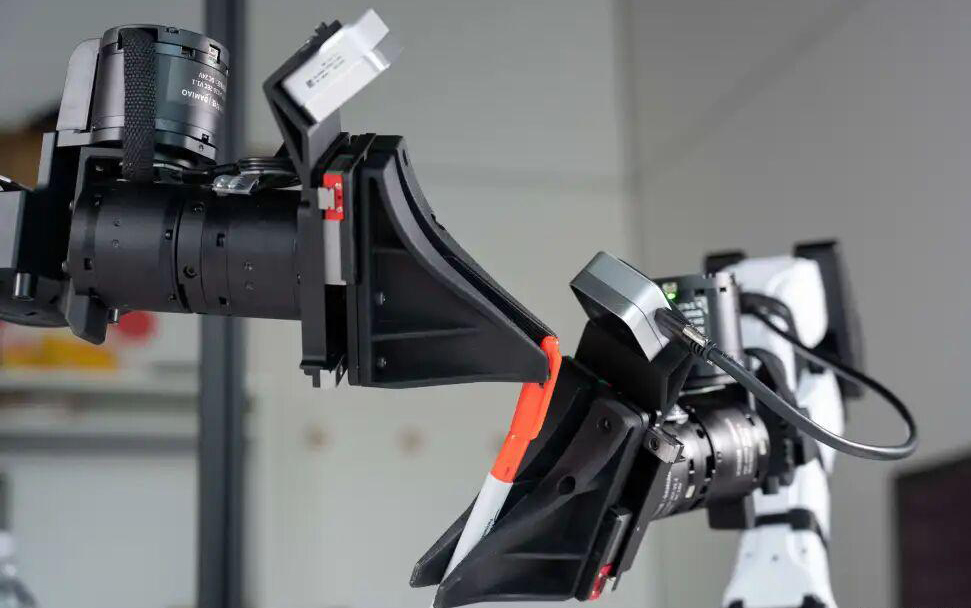
The challenge is that ELEY’s target is not a Uniqlo store, but a car factory. To deploy such robots, Toyota factory workers are taking on an extra responsibility: they wear devices modeled on ELEY’s robotic hand while carrying out daily tasks, helping the robot learn.
Toyota operates 60 factories globally and has 18,000 veteran technicians known internally as “takumi.” The company plans to use its in-house production system and test sites to accelerate full deployment.
Teaching robots to work is not easy, but there is a payoff: once a robot learns a skill, the data can be transmitted to other factories worldwide so local robots can learn the same task. Toyota also envisions a future in which robots teach new human employees.
For Toyota, deploying robots at scale may be about more than completing a single operation. It is exploring a “skill digitalization” production mechanism: skilled workers demonstrate tasks, turning tacit knowledge such as force, trajectory and rhythm into training data; robots then learn repeatedly, and mature skills can be replicated at other plants.




 the 2026 Bund Summit