Figure, the U.S. humanoid robot developer, has released Helix 2.5, its most advanced neural network model to date, and said it enabled zero-shot whole-body autonomy in 30 real homes.
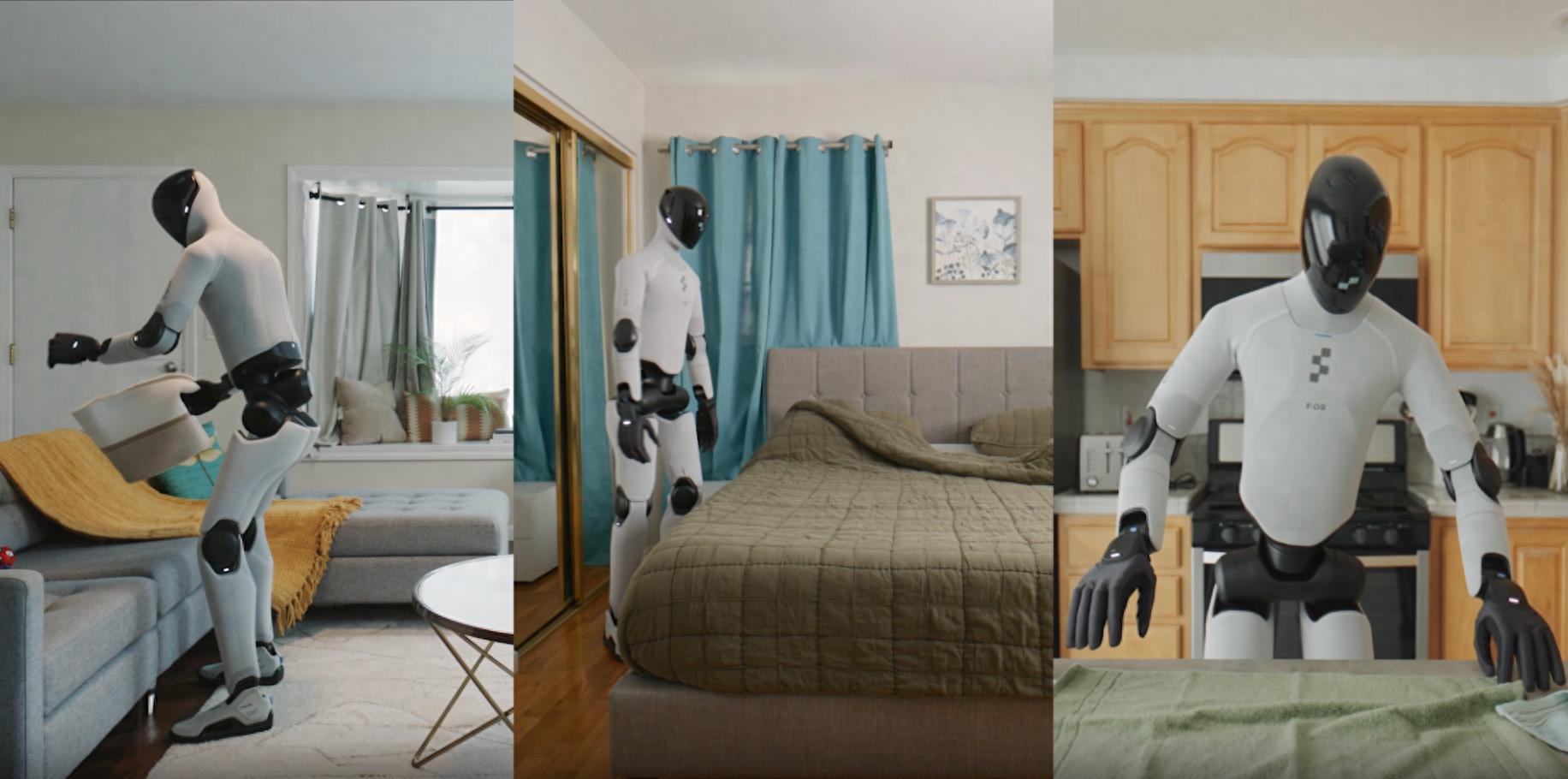
Figure called it the first demonstration at that scale of zero-shot whole-body behaviour generalisation for a humanoid robot.
The company said a single pre-trained foundation model was applied to three types of behaviour: locomotion; manipulation of rigid and deformable objects; and bimanual coordination, as well as active perception.
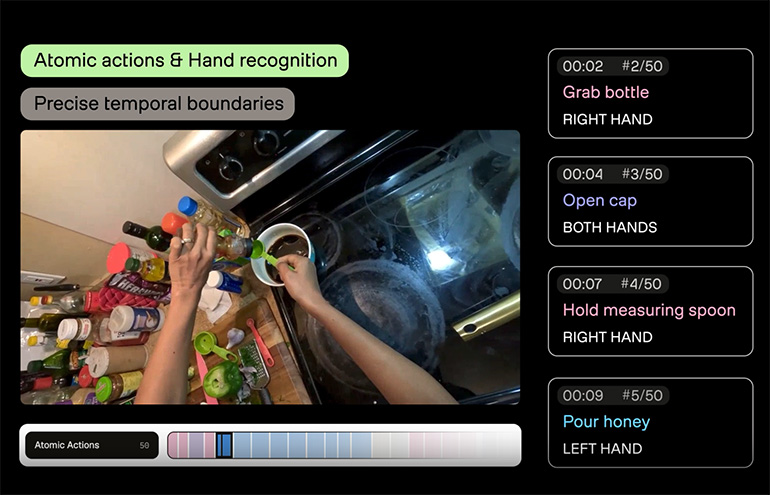
Figure said that, with task-specific data, architecture, training method and evaluation unchanged, pre-training on Index alone raised zero-shot recognition success to 56% from 9%. Index is Figure’s robot dataset project built for global scale.
The model also validated a Human-to-Humanoid Robot Transfer Scaling Law, Figure said. Helix 2.5 required half the task-specific data of Helix 02.
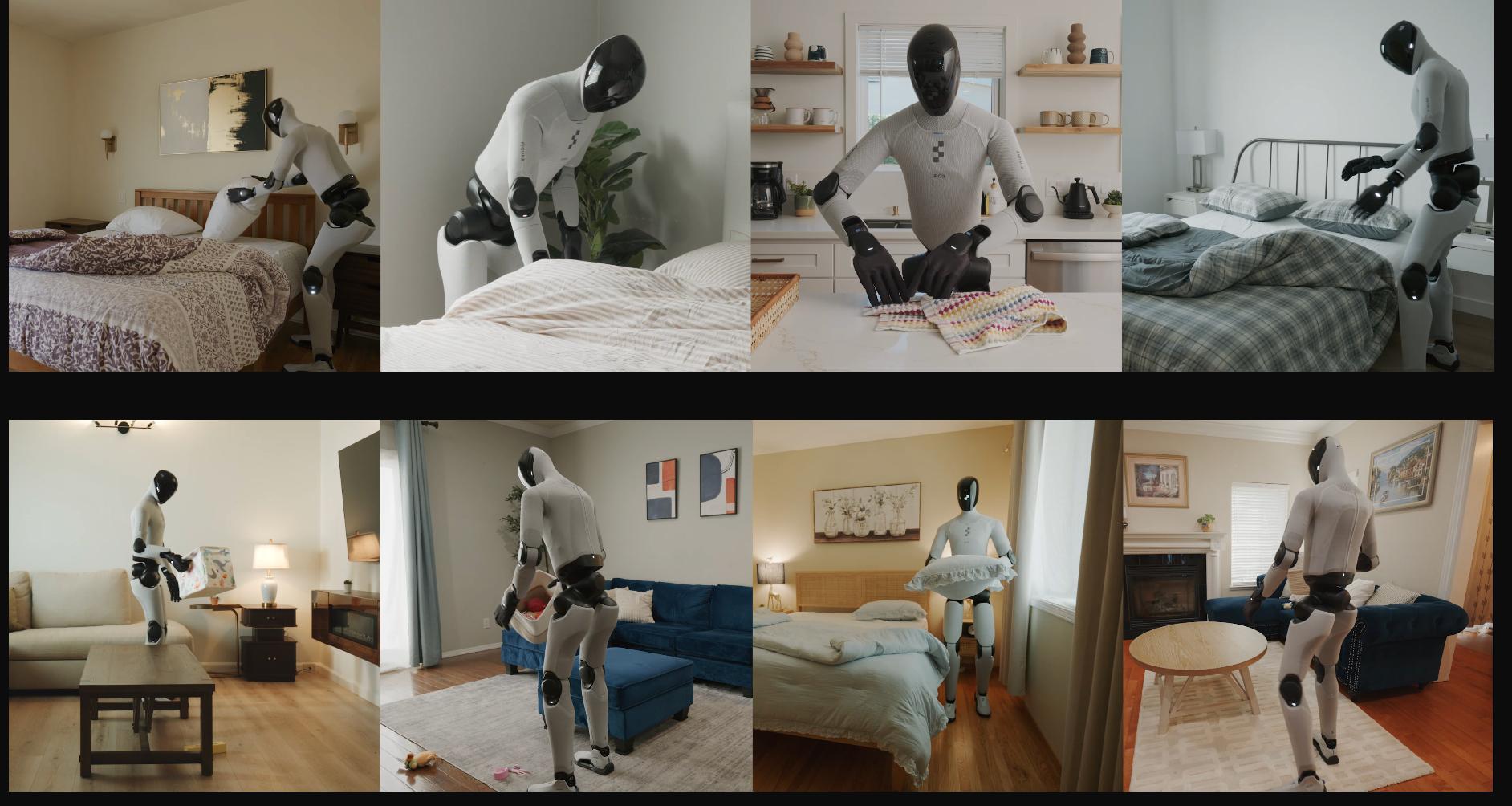
Figure released about four hours of video showing Helix 2.5 performing long-horizon tasks in real homes, including tidying rooms, making beds and folding towels, without data collection, fine-tuning or adaptation in any environment or during object manipulation, it said.
In one demo, workers deliberately scattered objects throughout a house. The robot searched the house, picked them up one by one and placed them in a basket handed to it by a person, then put the basket in a corner of the living room. The process took about 90 seconds.
When it failed to grasp the last item on the first try, it did not stop to ask for help; it changed angle and tried again.
For bed-making, Helix 2.5 straightened a pillow, smoothed a quilt and tucked in a corner hanging over the bed edge, a routine Figure described as slightly more meticulous than a human’s.
In towel-folding, Helix 2.5 spread and folded four towels, repeatedly adjusting and smoothing them, with almost no errors. But it took more than five minutes to fold all four, a sign of precision with speed still to be improved.
Figure said the model can recover from errors. When it fails to pick up an object or lift a quilt, it steps back, repositions itself and moves around the environment to correct the mistake and complete tasks requiring long-term planning.


 the 2026 Bund Summit